
10 document types × 30 jurisdictions.
Under the Civil and Commercial Code, a marriage is valid under Thai law only once registered with a registrar, which can be done at any district office. A customary ceremony without registration does not create legal rights and duties between spouses.
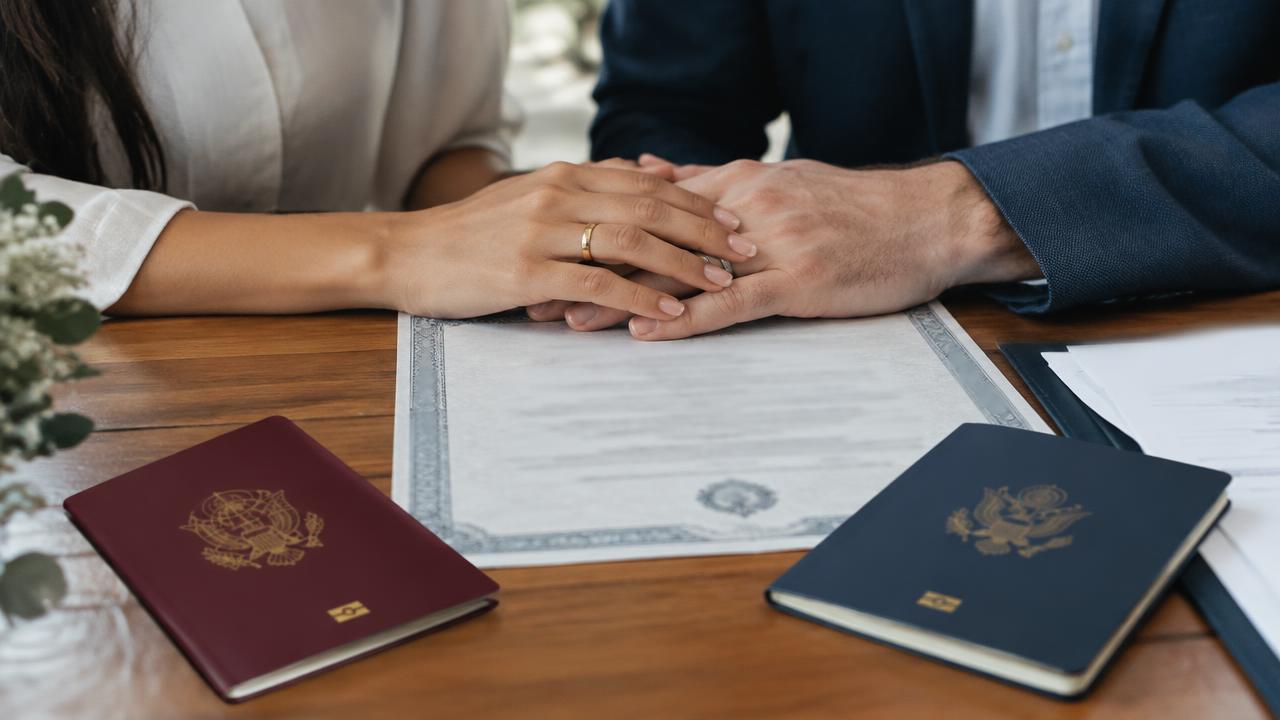
The foreign partner generally needs a document from their embassy or consulate confirming status and capacity to marry. It must be translated into Thai and certified by the Department of Consular Affairs before filing at the district office. The Thai partner uses their ID card and house registration. Anyone previously married needs proof of divorce or that the marriage ended, and a waiting period may apply before a woman remarries unless an exception applies.
After registering in Thailand, many countries require the marriage registration (Kor Ror 3) and marriage certificate (Kor Ror 2) to be recorded at home, usually with certified translations and whatever document certification that country requires.
Thai law divides spouses’ assets into personal property and marital property. Without a prenuptial agreement, property acquired during the marriage is generally marital property, and some dealings with it, such as selling or mortgaging land, need the other spouse’s consent.
Under the Civil and Commercial Code, a prenuptial agreement must be made before registering the marriage, in writing, signed by both parties and at least two witnesses, and recorded in the marriage register at registration or attached to it. After marriage it can only be changed with court permission. Terms contrary to public order or good morals are unenforceable.
Couples with assets in several countries should also check whether other countries will recognise an agreement made in Thailand. Sometimes a bilingual agreement or separate documents under each country’s law are needed. A foreigner married to a Thai who buys land in the Thai spouse’s name is usually asked to sign a statement at the Land Office that the purchase money is the Thai spouse’s personal property.
Marriage registration in Thailand: the foreign partner’s passport, the embassy’s capacity-to-marry document, a Thai translation certified by the Department of Consular Affairs, the Thai partner’s ID card and house registration, proof of divorce if previously married, and two witnesses. Some district offices ask for more, so call ahead.
Using a Thai marriage record abroad: registrar-certified copies of Kor Ror 2 and Kor Ror 3, a translation into the destination language and certification as that country requires. Some countries limit how old documents may be, so do not prepare too far ahead.
Recording a foreign divorce in Thailand: a certified copy of the decree or divorce certificate, proof it is final, a Thai translation, and certification from the issuing country.
If we married abroad, must we register again in Thailand? A marriage valid where it was made is generally recognised in Thailand, but the Thai spouse may apply at a district office to record the family status so Thai records show the marriage. This helps with surname changes, transactions and spouse visas.
Must the Thai spouse change surname? Under the Personal Names Act, a spouse may keep their own surname or use the other spouse’s. A change means updating many documents, such as the ID card, passport and bank accounts.
Is a child born abroad to a Thai parent Thai? Under the Nationality Act, a person born to a Thai father or mother generally acquires Thai nationality by birth. The birth can be reported at a Thai embassy or consulate, or the translated and certified foreign birth certificate can be used in Thailand.
The first misunderstanding is that a customary or religious wedding makes a couple legally married. In fact Thai law recognises only registered marriages, so unregistered partners cannot inherit as spouses, have no marital property rights and may not qualify for a spouse visa.
The second is that divorcing abroad changes status in Thailand automatically. Thai records keep showing the marriage until the divorce is recorded, which can affect remarriage, land transactions and inheritance.
The third is that self-made or informal translations are accepted by officials. Most agencies want a translation certified by the translator, and some want further certification by the Department of Consular Affairs or an embassy. Keeping names and dates consistent across every document reduces correction requests.
Finally, many people think a prenuptial agreement can be made after registration. Thai law requires it before or at registration. Property agreements made after marriage must use other legal routes and face more restrictions.
To review documents precisely, tell us both parties’ nationalities, the country and authority receiving the documents, such as a district office, embassy or immigration office, the purpose, and send copies of everything you have, such as passports, marriage records, court decrees or birth certificates.
Check that names and dates of birth are spelled the same in every document. If anyone changed their name, prepare proof of the change. Mismatched details are the most common reason authorities ask for corrections and the certification process has to restart. If the receiving authority has a written document list, send it too so translation and certification can be ordered correctly the first time.
This page refers to Book V (Family) of the Civil and Commercial Code, the Family Registration Act, the Personal Names Act, the Nationality Act and the Conflict of Laws Act. Relevant authorities include district registration offices, the Department of Provincial Administration, the Department of Consular Affairs at the Ministry of Foreign Affairs, the Juvenile and Family Courts, and the spouse’s embassy. Document requirements can vary slightly between registration offices, so always check with the office where you will file, and keep copies of everything you submit for future reference.
Thai law allows divorce by mutual consent, made in writing with two witnesses and registered at the district office, or by court judgment on grounds set by law. If the couple married in Thailand but divorced abroad, the Thai spouse usually files the foreign decree or divorce certificate, translated and certified, with the registrar to record the change of family status in Thai records.
Parental power over minor children belongs to married parents. On divorce, parents agree or the court decides who exercises it and on child support. A father not married to the mother becomes the legal father only by registering legitimation or by court judgment. For travel abroad with a child, some authorities ask for consent from the other parent, which usually needs signature certification and translation.
Thai documents for use abroad are currently certified by the Department of Consular Affairs, Ministry of Foreign Affairs, and then by the destination country’s embassy. Thailand acceded to the Hague Apostille Convention on 30 June 2026, and it enters into force for Thailand on 28 February 2027. After that date, documents for use in contracting states may use an Apostille instead. Always check the receiving authority’s requirements.
This page gives general information based on the Thai laws named, not legal advice on a specific case. Laws and agency practice can change, and each country’s requirements differ. Before signing or filing, have a licensed lawyer review your actual facts and documents.

Rules and fees change. Confirm current requirements with the responsible authority before filing.