
Thailand has no common-law Notary Public. Certification is performed by a lawyer licensed as a Notarial Services Attorney by the Lawyers Council of Thailand under Royal Patronage.
We keep four permanently staffed offices (Lat Phrao 95 · Khon Kaen · Udon Thani · Nong Khai). Other provinces are served by appointment and courier — we never claim a shopfront we do not have.
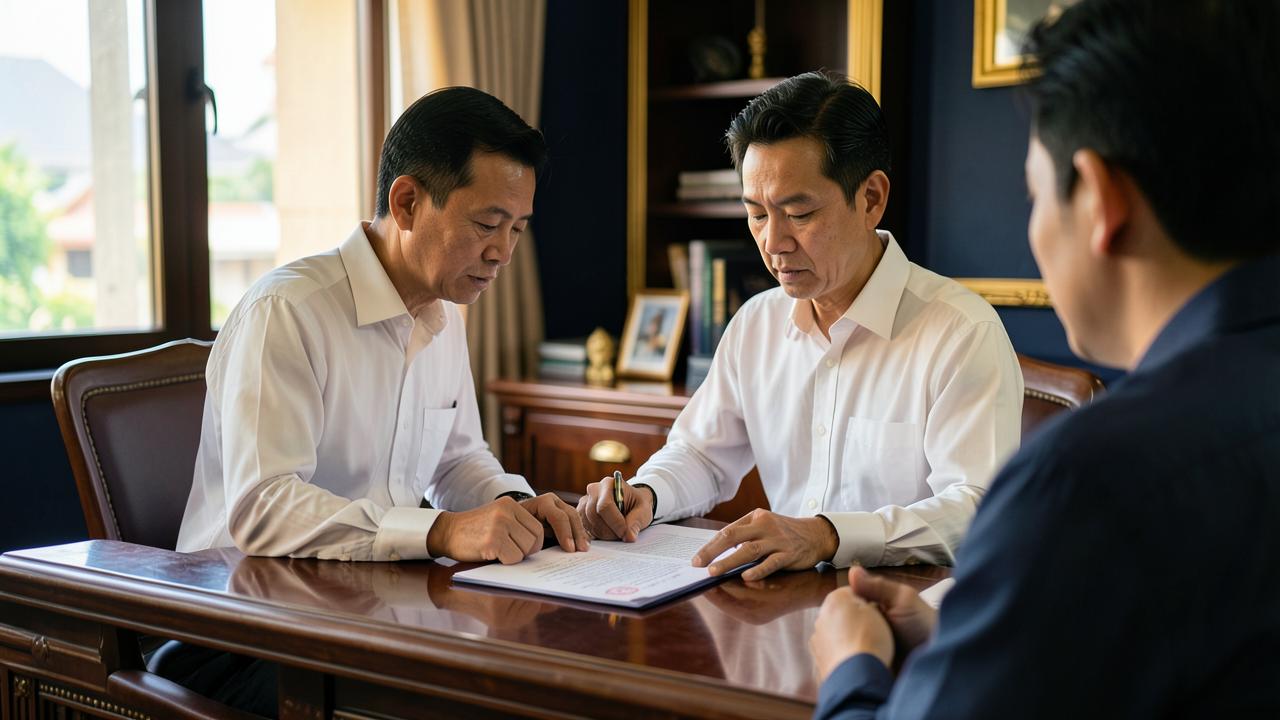
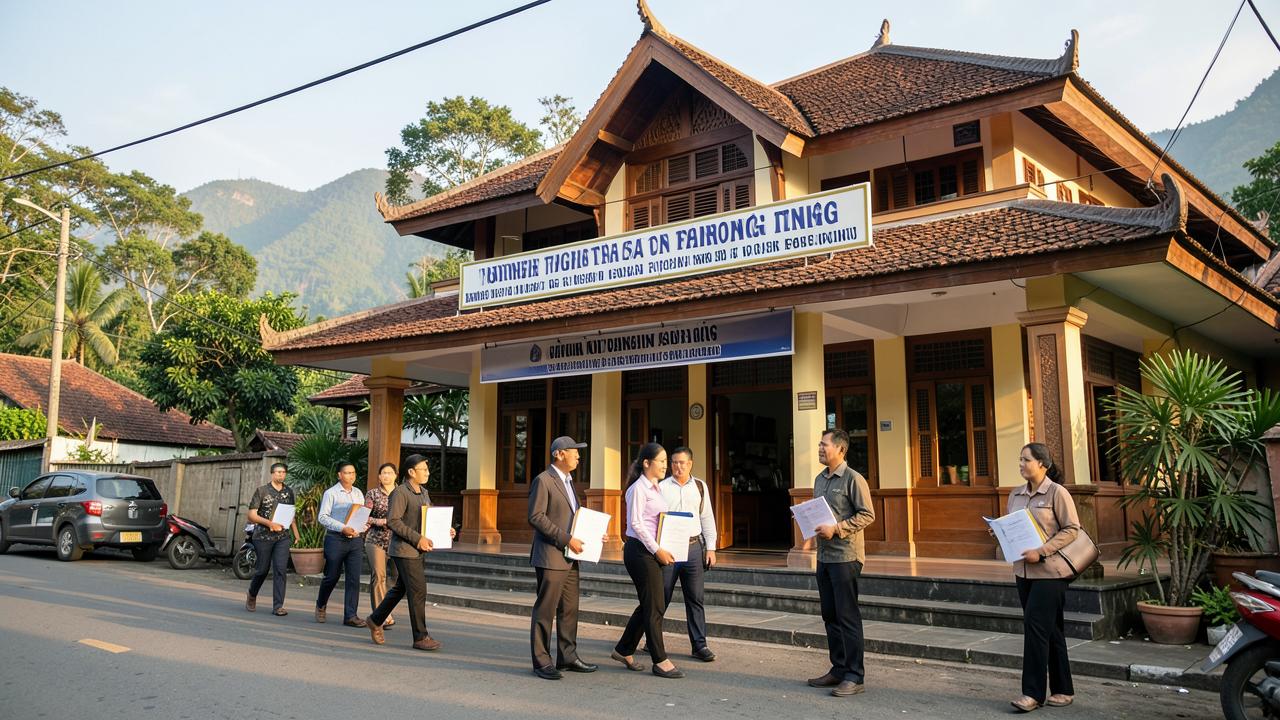
Each province guide covers the responsible authority, documents, procedure, original-document logistics and the actual serving branch. Provinces without a staffed office are stated clearly.
Thailand has no civil-law style notary public. Signatures and documents for use abroad are attested by lawyers licensed by the Lawyers Council of Thailand as Notarial Services Attorneys. When a foreign authority asks for a “notarised document” from Thailand, this is what it means in practice; the document may then also need legalisation by the Department of Consular Affairs and the embassy of the destination country.
Before starting, ask the receiving authority three questions: what exactly must be attested (a signature, a true copy, or a sworn statement); which language the document must be in; and whether Ministry of Foreign Affairs or embassy legalisation is required. Those three answers decide how many offices you visit and how long the file takes, far more than which province you live in.
Thailand acceded to the Apostille Convention on 30 June 2026, and the Convention enters into force for Thailand on 28 February 2027. Until then, Thai documents for use abroad still follow the traditional route: legalisation by the Department of Consular Affairs and then by the destination embassy. After that date, documents going to other Convention countries will carry an apostille instead, while countries outside the Convention will keep the traditional route.
If your deadline falls close to February 2027, tell us both the destination country and the date the document will be submitted. We plan the file for the rule that will apply on the day it is actually used, not the day it is signed.
The documents we attest most often are powers of attorney, affidavits of single status or of identity, true copies of passports and degree certificates, company resolutions, and consent letters for children travelling abroad. The most frequent reasons a file is rejected abroad are a name spelled differently from the passport, a translation that was not certified in the form the destination requires, and a signature made before the attesting lawyer was present. Each of these is easy to prevent before signing and expensive to fix afterwards.
We publish a province page only where we keep a staffed office or where we have verified local authority information from an official source. Every other province is still served normally by appointment and courier. We do not publish pages that only swap the province name, because they do not help anyone make a better decision. Use the list below to reach the provinces covered, or contact us directly if yours is not listed.
Bring the original passport or Thai ID card, with the name spelled exactly as on the document to be attested. Do not sign anything in advance: the attesting lawyer must witness the signature. If the request comes from a foreign authority, forward its instruction or email describing the required form of attestation, so we can confirm before the appointment that the requested form can actually be given in Thailand.
If translation is needed, ask the receiving authority whether it must be done before or after attestation and what qualification the translator must hold, for example a NAATI-certified translator for Australia, or a translation certified by the Department of Consular Affairs. Doing these steps in the wrong order is the single most common reason a file has to be redone.
How long a file takes depends on how many authorities touch it, not on the province. Attestation alone is usually quick; files that also pass through the Department of Consular Affairs and an embassy depend on each office’s queue. We separate the steps we control from the ones that depend on others when we give you a timeline, and we send originals by tracked courier every time. Keep scans of every page before originals leave your hands, and tell us any hard deadline at the start so we can say honestly whether it is realistic.
Some foreign authorities accept Thai official documents issued directly in English, such as English-language civil-registration extracts from a district office or English transcripts from a university. These may need only Department of Consular Affairs legalisation, with no notarial attestation. Ask before you book, so you do not pay for a step nobody requires. Privately prepared documents, such as powers of attorney and sworn statements, almost always need the signature attested first.
Most attestation files from outside Bangkok run entirely by appointment and tracked courier: we confirm the required form of attestation by email, you sign before the attesting lawyer at the nearest staffed branch or during a scheduled visit, and we handle the consular and embassy steps in Bangkok on your behalf. You receive the file back with a delivery record at every handover.
If your document must be presented in person — for example at an embassy that requires the signer to attend — we tell you before work starts, not after. That single check is what separates a smooth file from one that has to be repeated.
Rules and fees change. Confirm current requirements with the responsible authority before filing.