
Companies are registered with the Department of Business Development (DBD) or through its e-Registration system under the regulations in force.
We keep four permanently staffed offices (Lat Phrao 95 · Khon Kaen · Udon Thani · Nong Khai). Other provinces are served by appointment and courier — we never claim a shopfront we do not have.
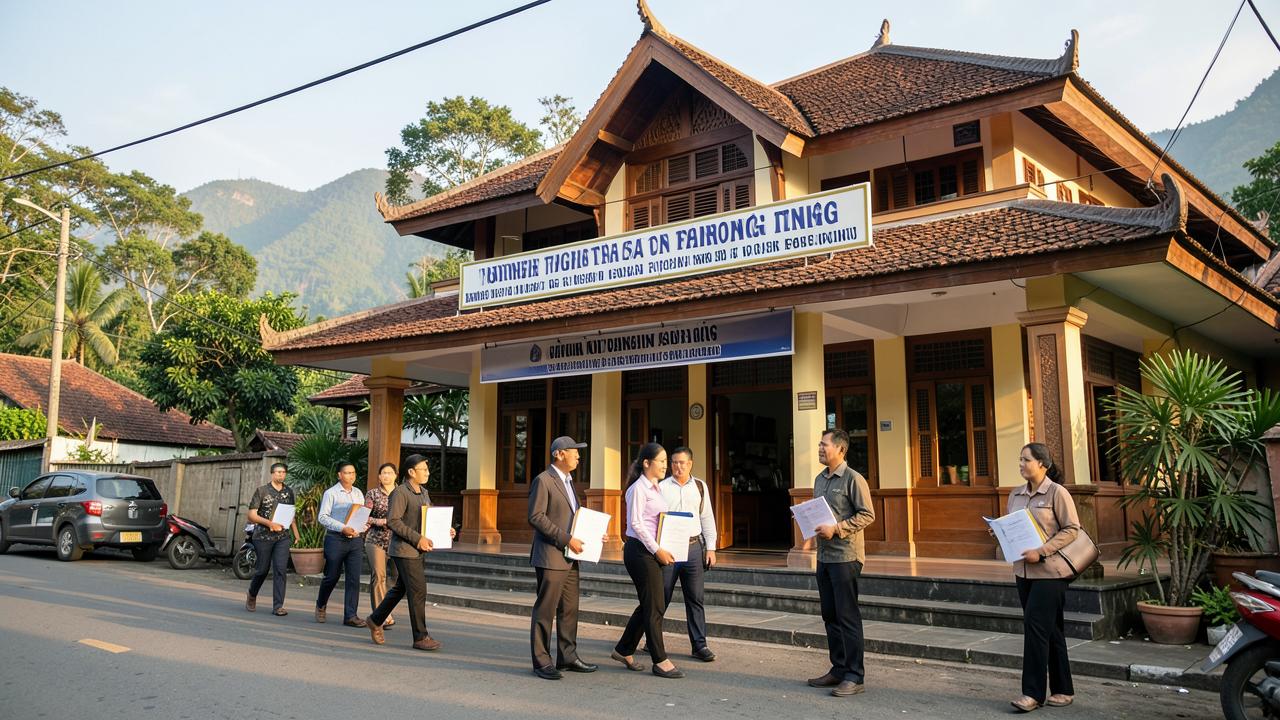
Each province guide covers the responsible authority, documents, procedure, original-document logistics and the actual serving branch. Provinces without a staffed office are stated clearly.
The legal procedure is the same nationwide: reserve the name, file the memorandum of association, hold the statutory meeting and register with the Department of Business Development, either online or at the Provincial Business Development Office. What genuinely differs by province is the registered office, because the same premises are used for VAT registration, social security and any local business permits.
Choose the address with those later steps in mind. A lease in the company’s name, landlord consent and a house registration for the premises are usually requested again when you register for VAT, so collecting them once at the start avoids a second round of paperwork later.
If foreigners will hold shares, check first whether the business appears in the lists attached to the Foreign Business Act. Where foreigners hold more than half the shares and the activity is listed, a Foreign Business Licence or Certificate must be obtained first, unless the company qualifies through BOI promotion or a treaty route. Nominee arrangements to avoid this are unlawful, and we do not set them up.
Foreign directors and shareholders also need identity documents that Thai authorities will accept, which often means notarised and legalised passport copies when the person cannot attend in Thailand. Planning that step early is usually what keeps a foreign-owned registration on schedule.
Registration is only the start. A new company must open a bank account, register for VAT once it expects to pass the turnover threshold or chooses to register voluntarily, register employees for social security, keep accounts and file monthly and annual returns. Our accounting team can take over these obligations from day one so that nothing is missed in the first year, which is when penalties most often arise.
We publish a province page only where we keep a staffed office and can check premises and coordinate locally ourselves. Companies in every other province can still be registered normally through the online system and courier. Use the list below for the provinces covered, or contact us if your planned office is elsewhere.
A company needs a registered office it is legally entitled to use. If you plan to use a virtual office, check that the provider issues a letter of consent and a copy of the building’s house registration, because the Revenue Department may inspect the premises before approving VAT. Addresses without complete paperwork are the most common cause of delayed VAT registration for new companies, wherever the province.
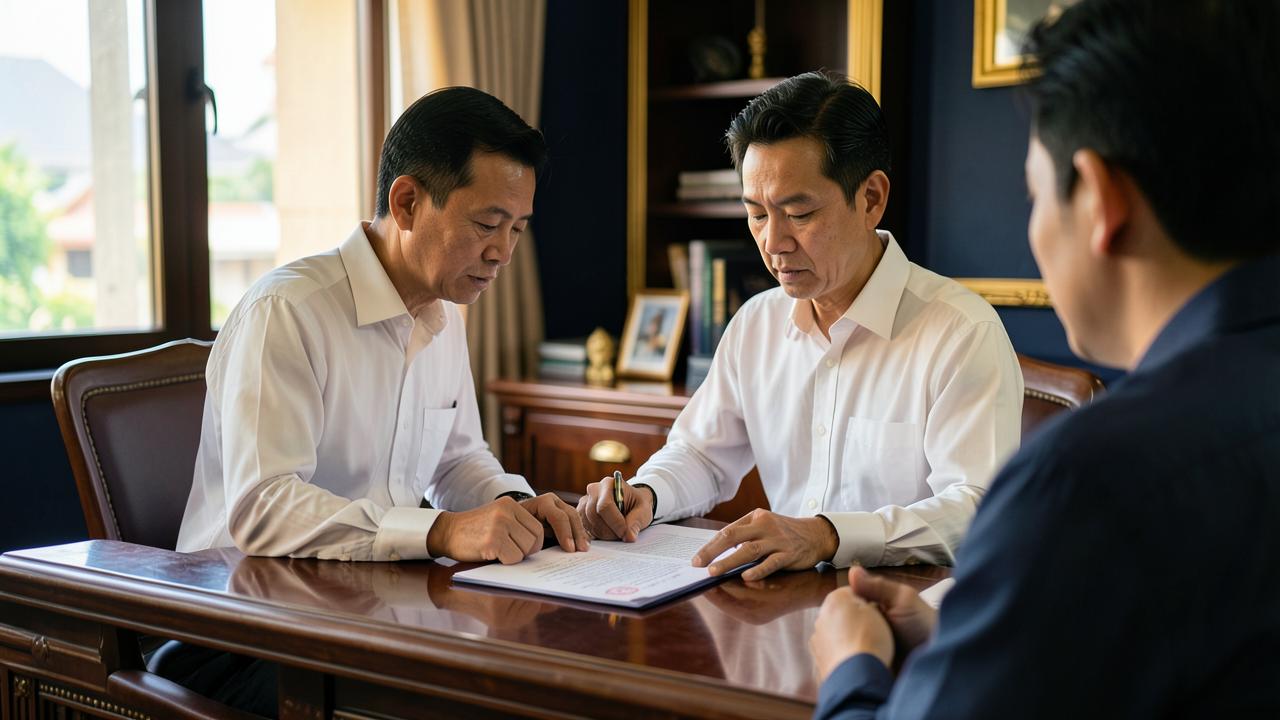
Shareholders or directors abroad can sign the incorporation documents, but their signatures and passport copies usually have to be notarised in their own country and legalised by the Thai embassy there. Start that step first, because it is normally the longest part of the whole process and nothing can be filed until it is finished. Our notarial team can tell you exactly which pages need attestation so nothing has to be sent twice.
Some activities need a further licence before trading starts. Food, drugs and cosmetics need approval from the Food and Drug Administration; tour operators need a licence from the Department of Tourism; importers and exporters register with the Customs Department; and certain factories need a licence from the Department of Industrial Works. These licences are often tied to the premises, so choose the location with them in mind from the very beginning.
If the company will employ foreigners, plan the registered capital and the number of Thai employees to fit the work-permit criteria that will apply. That decision belongs before registration, not after it, because changing capital later means another filing and another round of documents. We review the work-permit plan together with the incorporation documents so both fit the same business from day one.
The errors that most often force a later amendment are a company name too similar to one already registered, business objectives written too broadly or too narrowly to cover what the company actually does, registered capital that does not match the plan to employ foreigners, and director-authority clauses that do not reflect how the company will really be run. Every amendment means a shareholders’ meeting and a new filing, so it is worth checking these points carefully before the first submission.
Another point that is often overlooked is keeping the share register, minutes and other corporate records at the registered office as the law requires. Banks, licensing authorities and buyers of shares all ask to see them, usually at short notice, and a company that cannot produce them loses time it could have saved at the start.
A company can be incorporated without the founders travelling to Thailand, provided the incorporation documents are signed correctly and the signatures and passport copies are notarised and legalised in the country where they are signed. The statutory meeting can be documented with signed minutes, and a power of attorney lets our team file at the Department of Business Development on your behalf.
What cannot be delegated is the bank account: Thai banks generally require at least one authorised director to attend in person. Plan one visit for banking and any licensing interviews, and let everything else run by correspondence around it.
Rules and fees change. Confirm current requirements with the responsible authority before filing.