
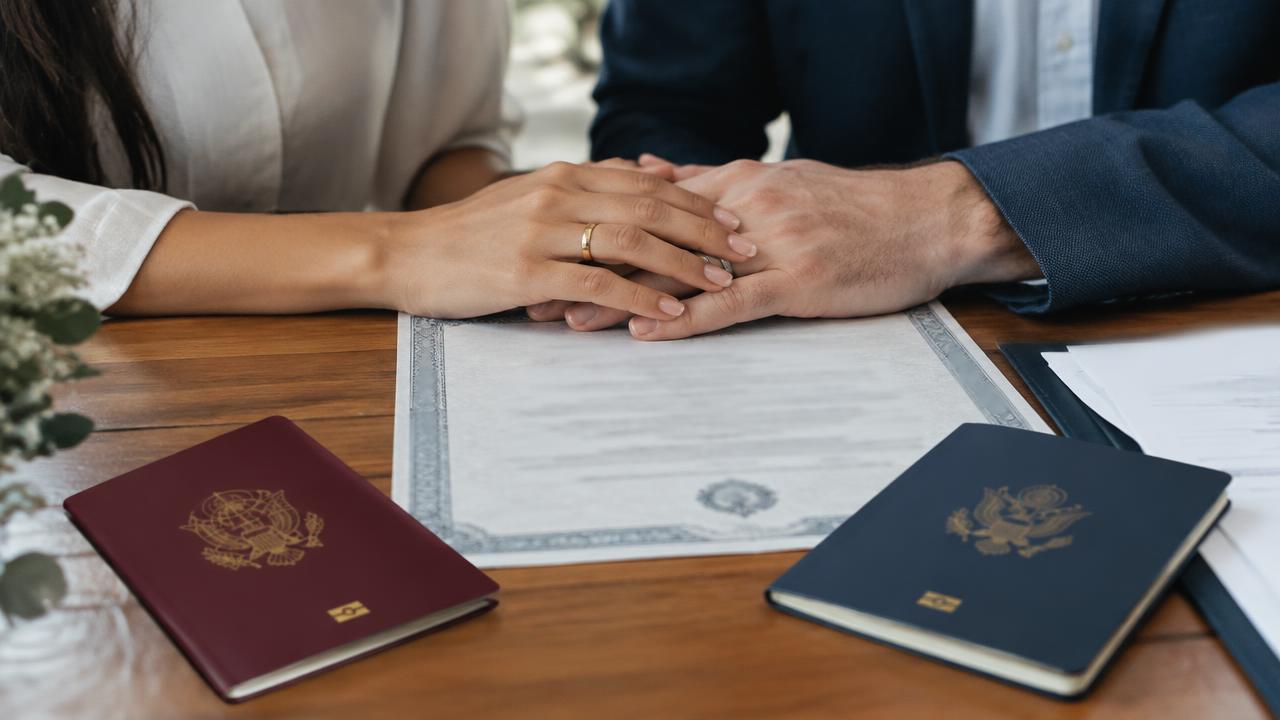
Under the Thai Civil and Commercial Code, married parents share parental power over a child under 20. On divorce by mutual consent, the parents must agree in writing who exercises parental power; if they cannot agree, or the divorce is decided by a court, the Juvenile and Family Court decides in the child's best interests. A father who was never married to the mother is not the child's legal father until legitimation is registered or ordered by a court, so until then the mother alone holds parental power.
Last reviewed: 2026-10-04 · General information only, not legal advice for your specific case
What 'Custody' Means Under Thai Law
Thai law does not use the English word 'custody'. The governing concept is parental power (amnat pokkrong), set out in Book V of the Civil and Commercial Code. A person holding parental power may decide where the child lives, discipline the child reasonably, require the child to work in a manner suited to their ability, demand the return of the child from anyone unlawfully holding them, and manage the child's property. Parental power lasts until the child turns 20 or becomes sui juris earlier through marriage.
Parental power is separate from the duty of support. A parent who does not hold parental power still has a legal duty to support the child until majority, and a court can order child support regardless of who has parental power. Visiting or contact rights are also separate: a parent without parental power remains entitled to reasonable contact with the child, and a court can set the terms.
For international families this distinction matters, because foreign authorities often ask for proof of 'sole custody' or 'legal custody'. What they usually need is evidence showing who holds parental power under Thai law, such as the registered divorce agreement, a court judgment, or a birth certificate and legitimation record, together with a certified translation.
Who Holds Parental Power in Common Situations
- Married parents: both hold parental power jointly, whether they are Thai, foreign or mixed nationality.
- Divorce by mutual consent at a district office: the written divorce agreement must state who exercises parental power over each child.
- Divorce by court judgment: the court decides who exercises parental power, considering the child's welfare and interests.
- Child born to unmarried parents: the mother holds parental power alone. The father gains rights only after legitimation is registered (with the consent of the mother and child) or ordered by the court.
- Death of one parent: the surviving parent holds parental power.
- Neither parent is able or suitable: the court may appoint a guardian on application by a relative or the public prosecutor.
Unmarried Foreign Fathers and Legitimation
Many cross-border cases involve a foreign father who was not married to the Thai mother. Even if his name appears on the Thai birth certificate, that alone does not make him the legal father with parental power. He must register legitimation of the child at a district office, which requires the consent of the mother and of the child where the child is old enough to give it, or obtain a Juvenile and Family Court order where consent is refused or the child cannot consent.
In a court legitimation case, the father may also ask the court to grant him parental power, in whole or jointly. The court will look at the relationship with the child, care arrangements, and the child's welfare. Supporting evidence often includes proof of financial support, photographs, school records and, where appropriate, DNA test results.
Foreign documents used in these proceedings, such as the father's passport, birth certificate or proof of single status, generally need certification in the issuing country, legalisation at the Thai embassy there, and a certified Thai translation. Thailand's Apostille membership takes effect on 28 February 2027; until then the legalisation route applies.
Court Cases in the Juvenile and Family Court
Parental power disputes, changes of parental power, child support and contact orders are heard by the Juvenile and Family Courts. The guiding principle throughout is the best interests of the child. The court may order a social welfare report, hear from the child where appropriate, and encourage mediation before trial.
Parental power is not fixed forever. If the parent exercising parental power becomes incompetent, abuses their power or behaves badly, the court may, on application by a relative or the public prosecutor, revoke or transfer parental power. Where circumstances change significantly, a parent may also apply to change an earlier arrangement.
A foreign custody judgment is not automatically enforceable in Thailand. In practice, the foreign judgment is used as evidence in a fresh Thai application, and the Thai court will decide afresh in light of the child's interests. The reverse is also true: a Thai judgment may need recognition proceedings in the other country.
Passports, Travel Consent and Moving Abroad
To apply for a Thai passport for a child under 20, the Department of Consular Affairs generally requires both parents to give consent, or the parent with sole parental power to present proof such as the divorce record, court order or legitimation status. A parent who cannot attend in person usually signs a consent letter, which may need to be certified if signed abroad.
When a child travels with only one parent or with a third party, airlines and foreign immigration officers often ask for a travel consent letter from the absent parent. Where one parent holds parental power alone, carrying a certified copy and translation of the document proving that is strongly recommended.
Permanently moving a child abroad without the other parent's consent can amount to wrongful removal if that parent also has rights of custody. Before relocating, the safe approach is a written agreement between the parents, or a court order that expressly authorises the move and sets contact arrangements.
International Child Abduction and the Hague Convention
Thailand is a party to the 1980 Hague Convention on the Civil Aspects of International Child Abduction. It applies between Thailand and other Contracting States that have accepted Thailand's accession, to children under 16 wrongfully removed to or retained in another State. Thailand implements it through the Civil Procedure for Child Abduction Act B.E. 2555 (2012).
The Central Authority for Thailand is the Office of the Attorney General. A left-behind parent may apply for the return of the child or for arrangements for access. Speed is critical: if proceedings begin more than one year after the wrongful removal, the court may refuse return where the child is now settled in the new environment.
Where the other country is not a Hague partner of Thailand, return depends on local law and court proceedings in that country, which are often slower and less predictable. Preventive planning before travel is therefore important.
Documents Commonly Needed
- Child's birth certificate, house registration and passport.
- Parents' marriage certificate, divorce certificate and the registered divorce agreement, or the court judgment.
- Legitimation registration record or court order, where the parents were not married.
- Parents' identity documents and passports.
- Evidence of care and support: school records, medical records, proof of payments.
- Foreign documents certified in the issuing country, legalised at the Thai embassy, with certified Thai translations.
How We Help
- Reviewing your documents to identify who currently holds parental power under Thai law.
- Drafting or reviewing parental power clauses in a divorce agreement, including contact, support and international travel.
- Preparing legitimation registrations and court applications for parental power, support or contact.
- Preparing travel consent letters and certified translations, with notarial certification and consular legalisation where needed.
- Coordinating with counsel abroad when proceedings or recognition are needed in another country.
Common Mistakes
- Assuming the father's name on the birth certificate gives him parental power.
- Leaving the divorce agreement vague about international travel and relocation.
- Relying on a foreign custody order without a Thai court application.
- Delaying a Hague return application beyond one year.
- Travelling with a child without proof of consent or sole parental power.
Our Role
We provide document preparation, translation, certification and legal support on Thai family law matters. Questions governed by foreign law should be confirmed with a lawyer qualified in that country.
Court decisions on children depend on the facts and the child's best interests. We cannot promise any particular outcome.
Frequently asked questions
Does the father's name on a Thai birth certificate give him custody?
No. If the parents were not married, the father must register legitimation or obtain a court order before he is the legal father with parental power.
Can a foreign parent obtain parental power in Thailand?
Yes. Nationality is not a bar. The court decides based on the child's best interests, considering care, stability and the relationship with each parent.
Is a foreign custody order valid in Thailand?
It is not enforced automatically. It is used as evidence in a Thai application, and the Thai court decides the matter itself.
Can one parent take the child abroad permanently?
Only with the other parent's consent or a court order if both parents share rights of custody. Otherwise it may be wrongful removal under the Hague Convention.
Does losing parental power end the duty to pay child support?
No. Both parents remain responsible for supporting the child until majority, whoever holds parental power.
Official sources
Related services
Clarify Who Holds Parental Power Before You Travel or File
Send us your family documents and we will explain the current legal position and the documents your destination requires.
Contact the team