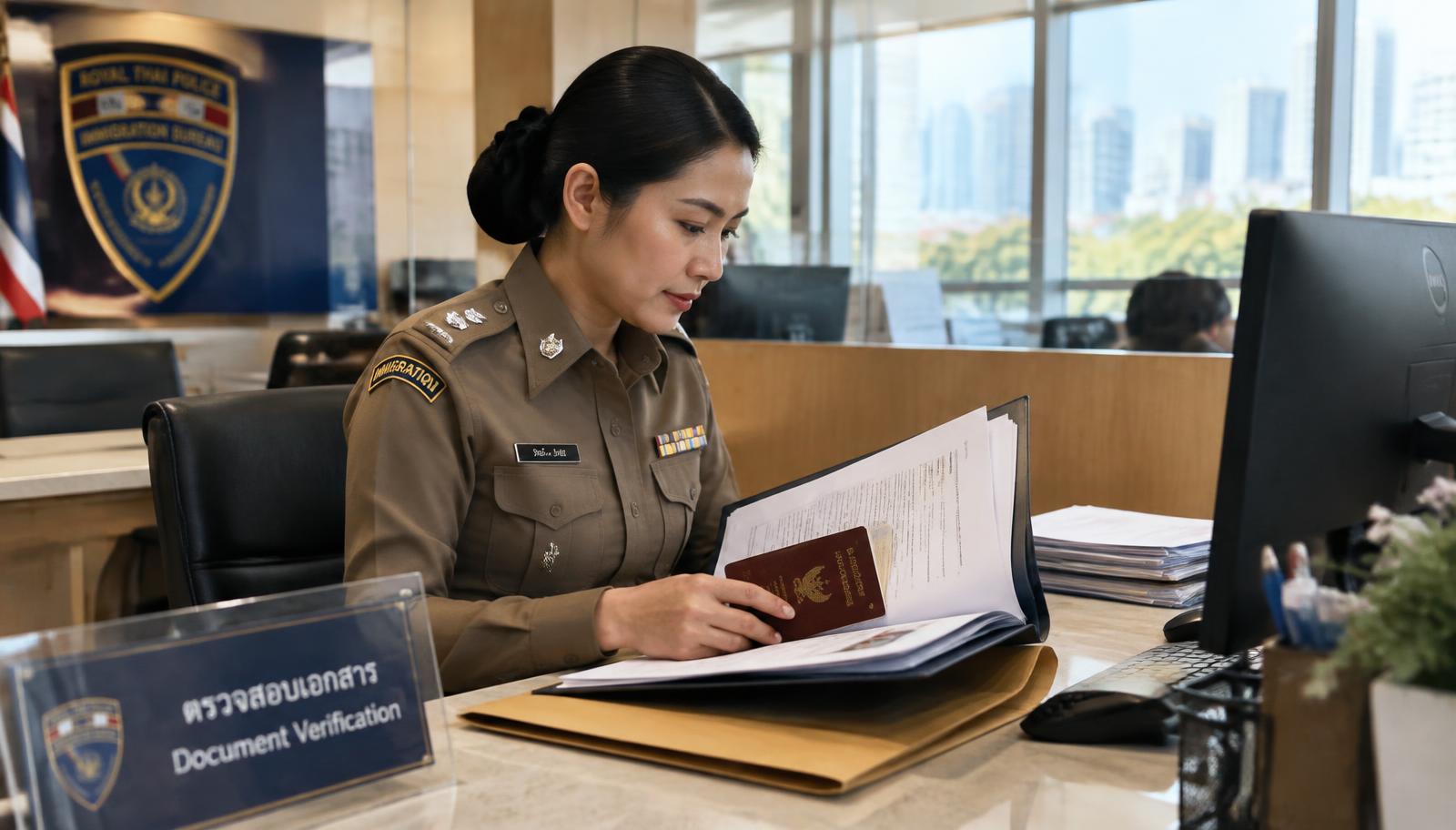
Thai permanent residence (PR) applications open once a year under a Ministry of Interior announcement, with a limited quota per nationality. Applicants must have held a Non-Immigrant visa for at least three consecutive years and qualify under a category such as employment, investment, or family. Thai citizenship by naturalisation generally requires PR first. Every foreign document must be translated into Thai and legalised through the correct chain before filing.
Last reviewed: 2026-10-04 · General information only, not legal advice for your specific case
What Permanent Residence Is and How It Differs from a Visa
Permanent residence is a status that allows a foreign national to live in Thailand without annual visa extensions and without 90-day reporting, and it simplifies work permit applications. PR holders can later use this status as the foundation for a Thai citizenship application. However, PR is not citizenship: holders keep their original passport and still need a re-entry permit when travelling abroad.
PR applications are accepted once a year during a window announced by the Ministry of Interior, and each nationality has a limited annual quota. Document preparation should start months before the window opens, because several foreign-issued documents have limited validity periods.
The practical benefits of holding PR include long-term stay without visa renewal paperwork, the ability to be registered in a house registration as a resident, and easier transactions that require proof of residence status, such as certain bank accounts or acting as a guarantor. These rights make PR a long-term goal for foreign nationals who work or have family in Thailand.
It is equally important to understand what PR does not do: it does not grant automatic land ownership rights, and it does not exempt the holder from the reserved-occupation rules. PR holders remain subject to the same foreign business and employment laws as before. The main difference is the stability of residence status and a significantly reduced annual paperwork burden.
For those who eventually aim for Thai citizenship, holding PR is an important prerequisite, because most citizenship applicants must show that they have held PR for a qualifying period. Planning the PR-to-citizenship sequence should therefore start early, especially since the annual quota is limited and the consideration process takes time.
Authorities frequently ask for additional evidence during consideration, including continuous tax payment records, employment certificates, and travel history in and out of the country. Keeping these documents organised from the first year of residence in Thailand makes the eventual application process much smoother.
Core Eligibility and Application Categories
Detailed thresholds, such as minimum income levels and investment amounts, change with each annual announcement. Always check the latest Immigration Bureau announcement before preparing documents.
- Hold a Non-Immigrant visa in Thailand for at least three consecutive years before the filing date
- Employment category: continuous work permits and income meeting the announced threshold
- Investment category: capital brought into Thailand at the required level and in the required form
- Family category: spouse, child, or parent of a Thai national or of an existing PR holder
- Expert category: specialised skills of benefit to the country, at official discretion
- No criminal record and good conduct as assessed by the reviewing officers
Required Documents and Legalisation
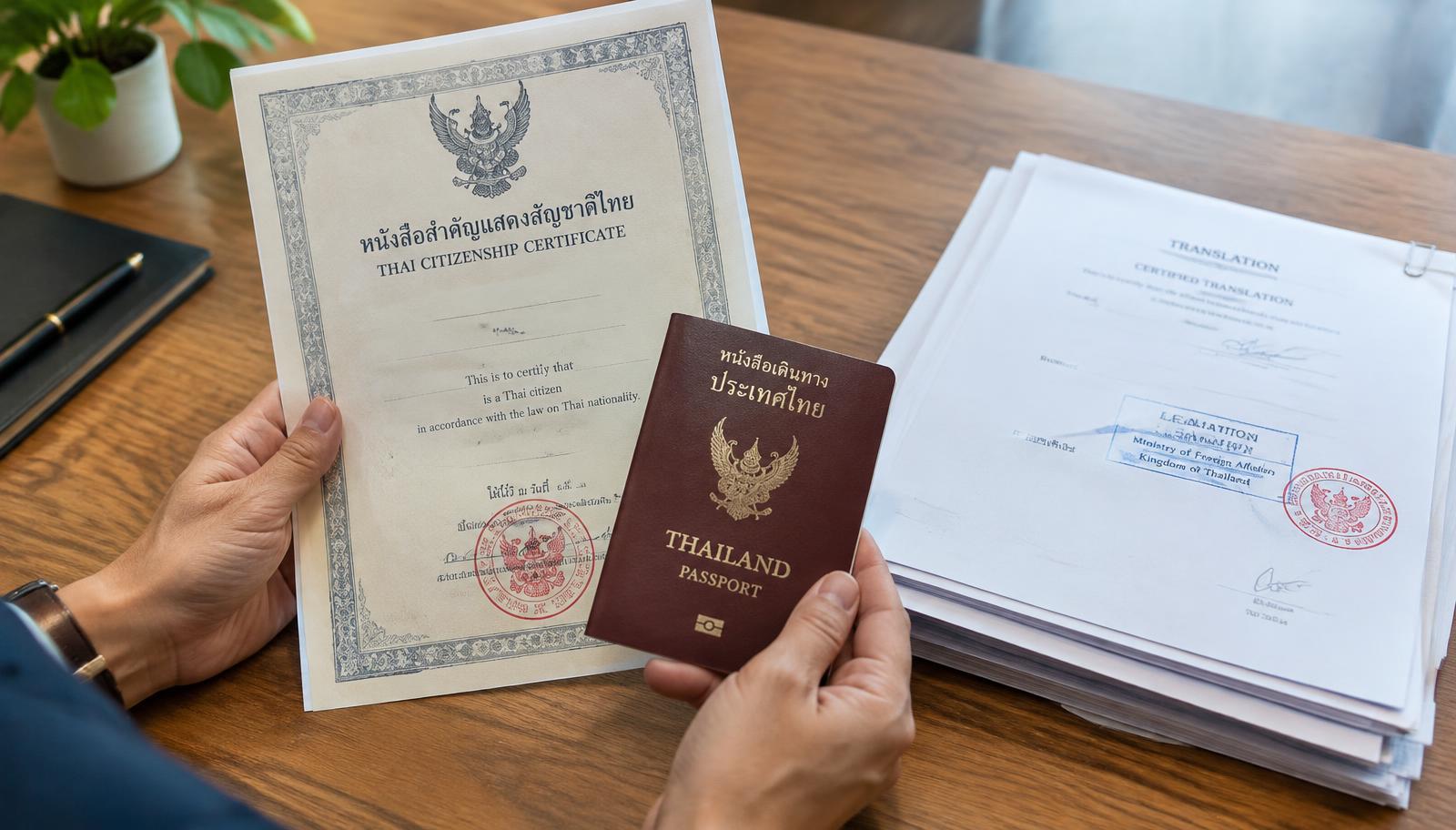
Documents issued by foreign authorities must first be authenticated by the issuing country's foreign ministry and the Thai embassy in that country (or via Apostille once both countries are within the Convention — for Thailand this takes effect on 28 February 2027). They must then be translated into Thai by a certified translator and the translations legalised at the Thai Ministry of Foreign Affairs' Department of Consular Affairs.
The most common reasons applications are returned are documents expiring while the application is pending, name spellings that differ across documents, and translations that were not properly certified. Sequencing the document work against the annual filing window is therefore critical.
- Current and previous passports showing the continuous entry history
- Criminal record checks from the country of nationality and from the Thai police
- Birth certificates, marriage certificates, and family documents, translated into Thai and legalised
- Employment certificates, personal income tax records, and past work permits
- A medical certificate in the form specified by the Immigration Bureau
- Proof of residence in Thailand, such as a house registration, lease, or title deed
The PR Application Process Step by Step
1. Check eligibility and category
Compare your visa history, income, and family status against the latest annual announcement to choose the strongest category.
2. Collect foreign documents
Request criminal record checks, birth certificates, and family documents from your home country, then complete the authentication chain.
3. Translate and legalise
Translate every document into Thai with a certified translator and legalise the translations at the Department of Consular Affairs.
4. File during the intake window
Submit at Immigration Bureau Division 1 with the announced fees.
5. Attend the interview
The applicant and any witnesses are interviewed by the review panel; a basic Thai language assessment may be included.
6. Wait for the decision and collect the certificate
Review takes many months to over a year. Approved applicants receive a residence certificate and an alien registration book.
From Permanent Residence to Thai Citizenship
Thai citizenship by naturalisation is governed by the Nationality Act and reviewed by the Department of Provincial Administration under the Ministry of Interior. In general, applicants must already hold permanent residence, demonstrate stable employment and income, have paid Thai income tax continuously, and show conversational Thai language ability. The process includes interviews, background checks, and a published list of approved names.
Limited routes that do not require PR exist, such as applications based on marriage to a Thai national under specific conditions. Details should be confirmed directly with the Department of Provincial Administration, because the relevant announcements and discretions can change.
Our Role in This Process
We handle the document side: certified Thai translations of every foreign document, Notary Public certification of signatures and true copies, and coordination of legalisation at the Department of Consular Affairs and the relevant embassies, assembling the file to match the announced checklist.
Approval of permanent residence or citizenship is entirely at the discretion of the state authorities, and we have no power to determine or promise any outcome. For strategic advice, such as choosing an application category or addressing individual legal issues, consult a licensed Thai lawyer directly.
In practice, our work usually starts with a review of the documents a client already holds: which can still be used, which have expired, and which must be requested fresh from abroad. We then sequence the translation and legalisation work around that year's filing window, so every document remains valid on the filing date and throughout the review period.
Frequently asked questions
How many years must I live in Thailand before applying for PR?
Generally you must have held a Non-Immigrant visa in Thailand for at least three consecutive years before filing, and you must qualify under one of the announced categories such as employment, investment, or family.
What is the difference between PR and Thai citizenship?
PR lets you live in Thailand without visa extensions but you keep your original passport and have no political rights. Thai citizenship grants a Thai passport and full citizen rights. Citizenship by naturalisation generally requires PR first.
How must foreign documents be legalised?
They must be authenticated by the issuing country's foreign ministry and the Thai embassy there, then translated into Thai by a certified translator and legalised at the Department of Consular Affairs. Once the Apostille Convention takes effect for Thailand on 28 February 2027, the chain becomes shorter for member countries.
How long does the review take?
PR review typically takes many months to over a year depending on application volume and file completeness. Citizenship takes longer. There is no lawful fast-track channel.
Is there a quota?
Yes. PR approvals are subject to an annual quota per nationality under the Ministry of Interior announcement, which is why preparing documents before the intake window opens matters.
Can your office promise the outcome?
No. Approval is entirely at the discretion of the state authorities. We are responsible only for the accuracy of translations, document certification, and assembling the file to match the announced checklist.
Official sources
Related services
Let us prepare your application document set
Send us the list of documents you already have. We will identify what needs translating, certifying, and sequencing to match the filing window.
Contact the team