Condominium Act B.E. 2522 (1979), as amended
Caps aggregate foreign-owned area in a condominium building and requires evidence of funds remitted from abroad.

Practice area
Checking title, documents and transfer before a major payment is made.
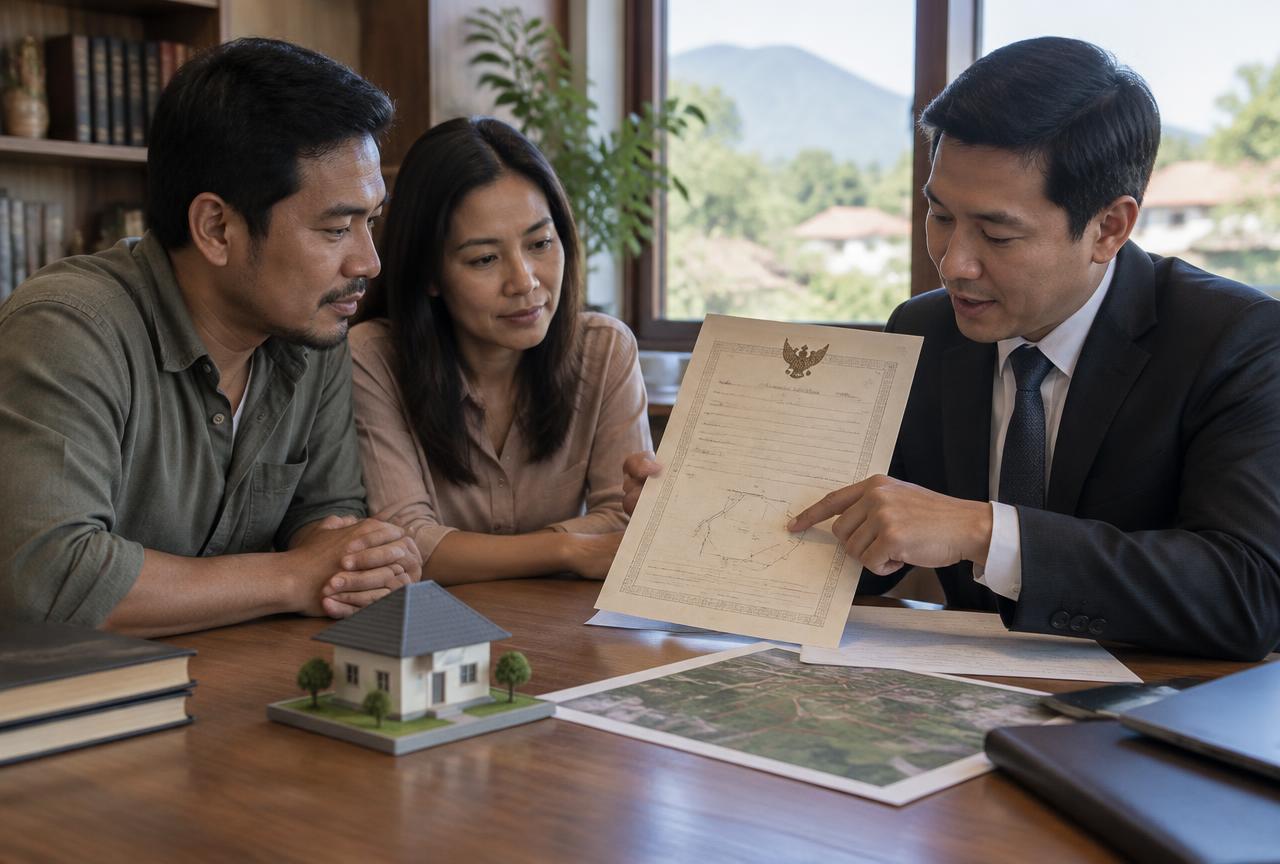
Foreign nationals may own condominium units in Thailand under the Condominium Act, provided foreign ownership in the building does not exceed 49% of the total unit floor area and the funds are evidenced as foreign currency remitted into Thailand as the law requires. We verify the foreign quota, the title status, encumbrances and the sale and purchase agreement, and handle the transfer at the Land Office.
Title and quota due diligence usually takes a few working days once documents are received, while the transfer date depends on the Land Office schedule and every party’s documents being ready.
Timeframes are indicative only and depend on the authority, the court calendar and the completeness of your documents.
The safe order is to check the documents before paying, not after. Before committing you should know whether the unit still falls within the available foreign quota, whether the seller is the registered owner on the title, whether any mortgage or encumbrance remains, and how much is outstanding in common-area fees. All of this can be verified at the Land Office and with the condominium juristic person before you sign anything binding.
For off-plan purchases, read the delivery date, design-change and delay provisions carefully. Developer contracts are usually drafted to protect the seller; asking for amendments before signing is both possible and normal practice.
Foreign buyers who cannot attend the transfer must prepare a power of attorney in advance, normally signed before a notary in their country of residence and then authenticated by the competent authority and the Royal Thai Embassy. In some countries this takes several weeks, and starting late is a frequent cause of postponed transfers.
Because the firm handles both property work and international document certification, we can supply a draft power of attorney in a form the Land Office accepts and set out the certification steps in the country of origin so the client can complete them in time.
Summarised for general understanding only. The application of each provision depends on the facts of your case.
Caps aggregate foreign-owned area in a condominium building and requires evidence of funds remitted from abroad.
Specify transfer-day documents, including the foreign-quota certificate from the condominium juristic person.
These are constructed examples used to explain procedure. They are not client matters, and no outcome is implied or guaranteed.
Situation: A foreign buyer has paid a deposit, then learns the building’s foreign quota is full.
Usual approach: Obtain the quota certificate before paying a deposit, and state in the sale agreement that the buyer may terminate and reclaim the deposit if the foreign quota is unavailable. (Hypothetical.)
Province pages set out the courts and authorities with jurisdiction locally, and answer the questions people in that area ask.
As a rule foreigners cannot own land. Common alternatives are owning the building while taking a long lease of the land, or using a usufruct or superficies right — each with different limitations.
Not necessarily; a power of attorney can be used. A power of attorney executed abroad normally needs signature certification and embassy or competent-authority authentication before it can be used in Thailand.
It is a matter of contract. Parties commonly split the costs or allocate them to one side, so the allocation should be stated clearly before signing.
Tell us the facts and we will explain the options, the documents required and the realistic timeframe before you decide.