Arbitration Act B.E. 2545 (2002)
Recognises arbitration agreements and enforcement of awards, including foreign awards.
Eastern Thailand — Rayong
Resolving disputes outside court and making awards effective
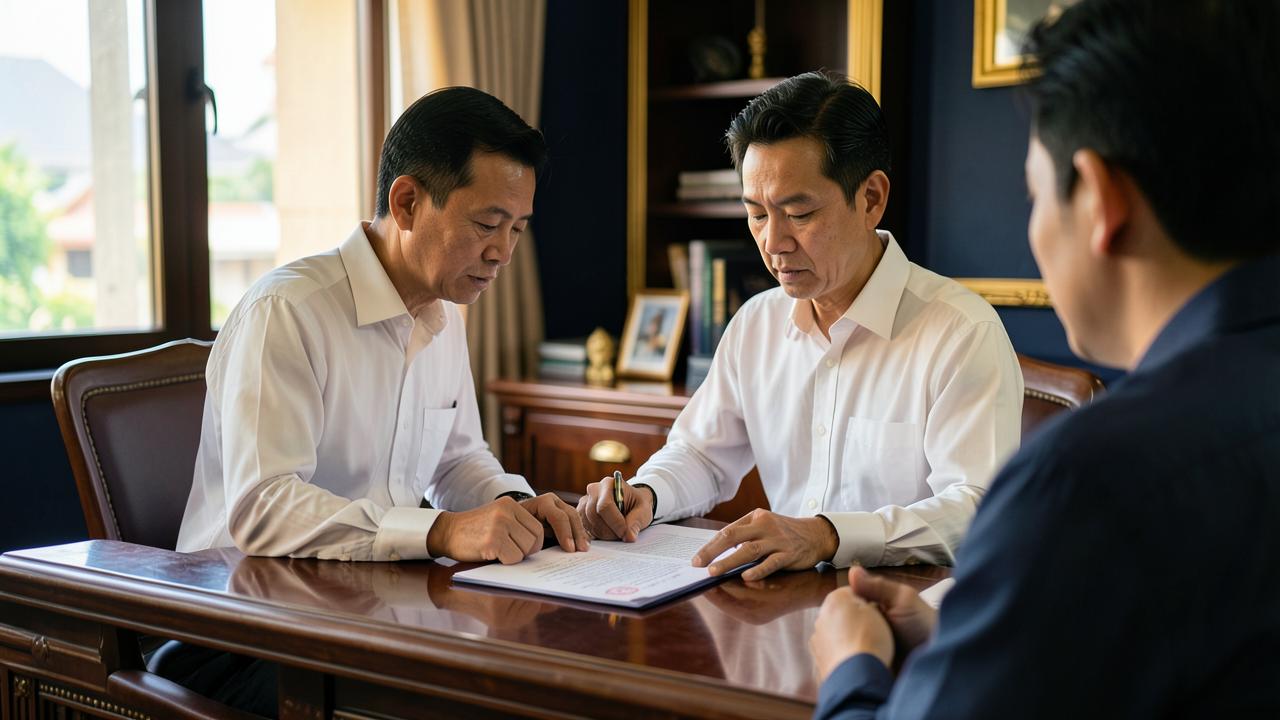
Rayong hosts one of Thailand’s largest petrochemical and manufacturing bases and sits within the Eastern Economic Corridor. Legal work centres on contracts between manufacturers and contractors, employment of both permanent staff and subcontracted labour, promoted-investment conditions, permitting and administrative challenges, and documentation for foreign executives posted locally.
Faster, lower-cost routes out of a dispute — negotiation, mediation and arbitration — plus enforcement of judgments and awards, including asset tracing before you commit to litigation.
Jurisdiction and filing requirements should be confirmed for each matter, because practice and required attachments differ between offices.
| Court / authority | What it handles |
|---|---|
| Rayong Provincial Court and Rayong Municipal Court | Civil and criminal cases within the province |
| Rayong Juvenile and Family Court | Family and juvenile matters |
| Labour Court Region 2 | Labour cases across the eastern region |
| Rayong Labour Protection and Welfare Office | Labour complaints and workplace safety matters |
| Rayong Provincial Land Office and branch offices | Land, condominium and lease registration |
| Rayong Immigration Office | Extensions of stay and foreign-national matters for industrial personnel |
| Rayong Legal Execution Office | Enforcement of judgments in the province |
| Rayong Provincial Commercial Office | Local company registration services |
Cooperative mediation often concludes within weeks; enforcement timing depends on the asset type and the Legal Execution Department process.
Timeframes are indicative and depend on the court calendar and the authority handling the matter in Rayong.
Summarised for general understanding only. The application of each provision depends on the facts of your case.
Recognises arbitration agreements and enforcement of awards, including foreign awards.
Gives statutory mediation settlements binding effect, saving time and cost versus litigation.
Provides for court-annexed mediation and consent judgments.
These are constructed examples used to explain procedure. They are not client matters, and no outcome is implied or guaranteed.
Situation: Despite an arbitration clause, the counterparty files in court.
Usual approach: Raise the arbitration agreement within the statutory window or risk waiver, while weighing the cost of both routes. (Hypothetical.)

Labour protection law can make the principal jointly liable with a subcontractor for wages and statutory payments in certain cases. The practical safeguard is a contractual requirement to show proof of wage payment before each instalment is released, with records of those checks kept every period.
First check whether the order states its reasons and appeal rights, since administrative procedure law requires reasons. Then note the internal appeal deadline and the deadline for filing in the Administrative Court — missing them forfeits the right even where the substance is arguable.
Three elements must align: work authorisation under foreign-worker law, the extension of stay under immigration law, and the employment terms in the contract and any investment-promotion conditions. All three must state the same position and workplace, or renewal filings will be sent back for correction.
Thailand is a party to the New York Convention, so foreign awards can be enforced through the Thai courts, subject to the statutory conditions and exceptions.
Yes, provided you have not signed a settlement that extinguishes the claim — always have the draft reviewed first.
Tell us the facts and we will explain which authority applies, what documents are needed and the realistic timeframe.