Civil and Commercial Code
Book V: marriage, marital property, divorce, parental power and maintenance.

Northeastern Thailand — Udon Thani
Marriage, divorce, custody, wills and estate administration
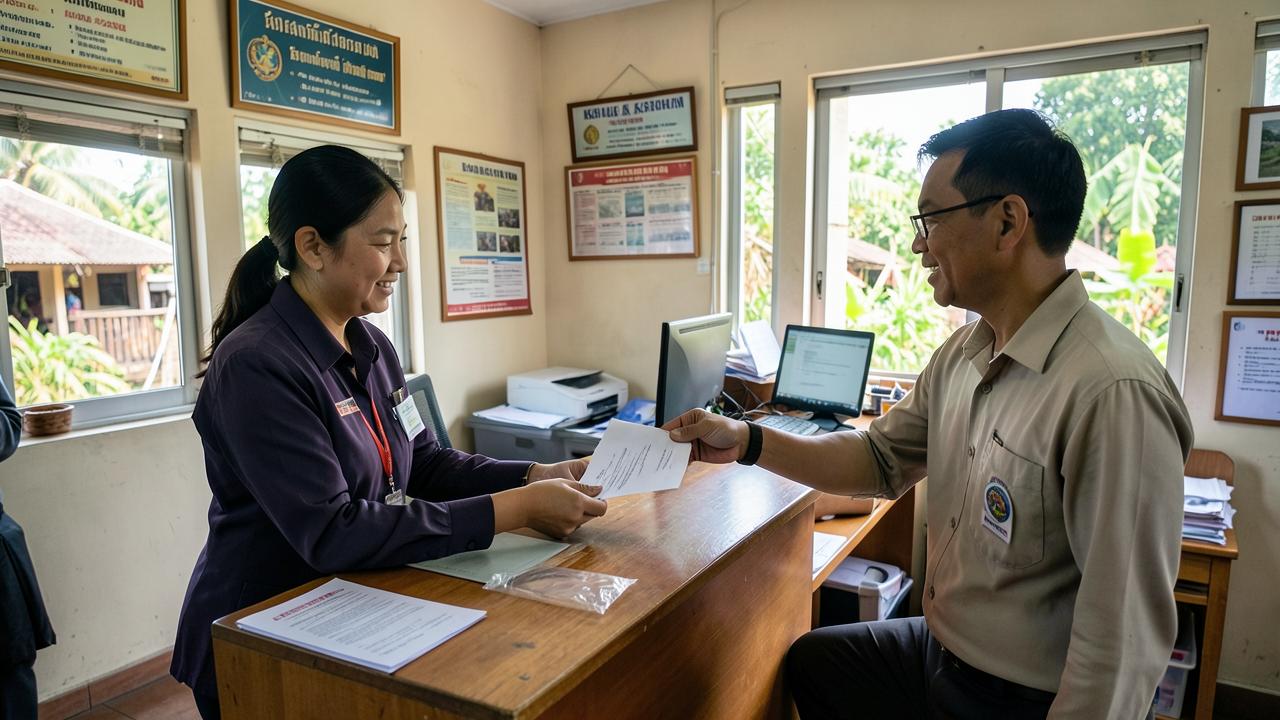
Udon Thani is the gateway between the upper northeast and Lao PDR, with a sizeable community of foreign nationals married to Thai spouses and living long term. Work here mixes local land and succession disputes with marriage registration, bilingual wills and documents for use in a spouse’s home country. Preparing documents for both systems at the outset avoids repeating the process.
Family and succession work handled with both legal and personal care: cross-border marriage registration, prenuptial agreements, divorce, custody, adoption, wills and appointment of estate administrators.
Jurisdiction and filing requirements should be confirmed for each matter, because practice and required attachments differ between offices.
| Court / authority | What it handles |
|---|---|
| Udon Thani Provincial Court and Udon Thani Municipal Court | Civil and criminal cases within the province |
| Udon Thani Juvenile and Family Court | Divorce, custody and legitimation of children |
| Labour Court Region 4 | Labour cases in the upper northeast |
| Udon Thani Provincial Land Office and branch offices | Land registration and subdivision of titles |
| Udon Thani Immigration Office | Extensions of stay on marriage or retirement grounds and periodic reporting |
| Udon Thani Legal Execution Office | Enforcement of judgments in the province |
| District offices in Udon Thani (civil registration) | Marriage and divorce registration and civil status records |
| Udon Thani Provincial Commercial Office | Local company registration services |
Marriage registration completes in one appointment when documents are ready; contested divorce or succession cases take many months or longer.
Timeframes are indicative and depend on the court calendar and the authority handling the matter in Udon Thani.
Summarised for general understanding only. The application of each provision depends on the facts of your case.
Book V: marriage, marital property, divorce, parental power and maintenance.
Sets family court jurisdiction, centred on the best interests of the child.
Governs registration of marriage, divorce and legitimation at the district office.
These are constructed examples used to explain procedure. They are not client matters, and no outcome is implied or guaranteed.
Situation: Both parties agree to divorce but need the outcome recognised abroad.
Usual approach: Plan documents from the start: child and property terms, registration of the divorce, and certification/translation for overseas use. (Hypothetical.)
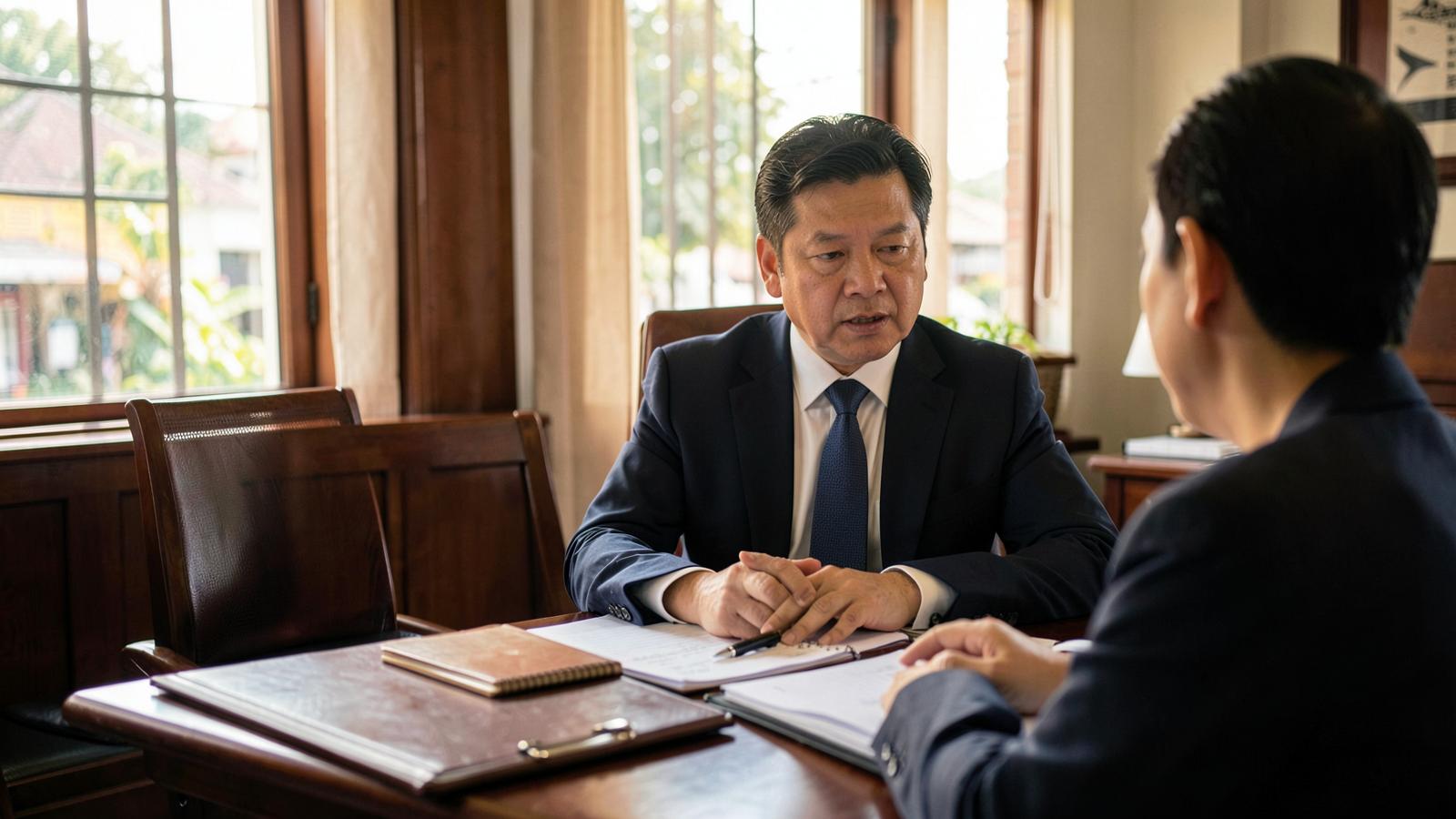
Typically the marriage certificate, the spouse’s house registration and ID card, proof of residence and financial evidence under Immigration Bureau criteria. The most frequent cause of resubmission is names or dates differing between documents, so consistency should be checked before filing.
Use a form of will recognised under Thai law and state clearly whether it covers only Thai assets or foreign assets too. If a will already exists in the home country, the wording must avoid unintentionally revoking it — a common problem when two wills are made separately.
The main risks concern the asset’s status on divorce or death, and the requirement that officials may ask to confirm the source of funds as the Thai spouse’s personal property. Recording intentions and conditions in advance, in a form valid under Thai law, reduces later disputes far more than reacting afterwards.
Usually an affirmation of freedom to marry from their embassy, translated into Thai and legalised at the Department of Consular Affairs before filing at the district office.
Administrative divorce requires mutual consent and a Thai-registered marriage; otherwise the matter goes to the Juvenile and Family Court.
Tell us the facts and we will explain which authority applies, what documents are needed and the realistic timeframe.