Immigration Act B.E. 2522 (1979), as amended
Governs visa categories, extensions of stay, residence notification and grounds of inadmissibility.
Northern Thailand — Chiang Mai
Visas, work permits, residency and lawful status
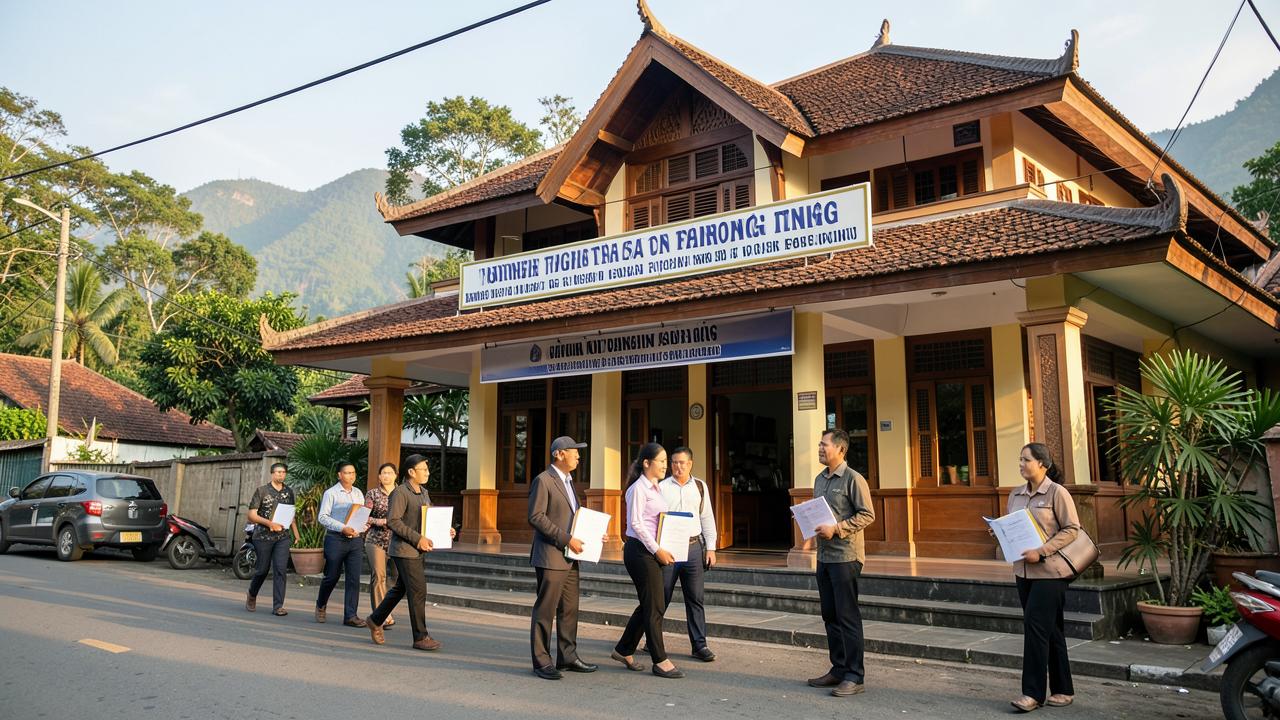
Chiang Mai is the administrative, academic and tourism hub of northern Thailand and home to a large long-stay foreign community. Legal work here spans local business and land matters as well as documents, visas, marriage and succession for long-term foreign residents. Because regional courts and agencies are located in the province, many matters can be completed locally without travelling to Bangkok.
Legal advice and filings on the status of foreign nationals in Thailand — visa categories, extensions, work permits, 90-day reporting, and difficult cases such as overstay, refusal and appeals.
Jurisdiction and filing requirements should be confirmed for each matter, because practice and required attachments differ between offices.
| Court / authority | What it handles |
|---|---|
| Chiang Mai Provincial Court and Chiang Mai Municipal Court | Civil and criminal cases within Chiang Mai province |
| Chiang Mai Juvenile and Family Court | Divorce, custody and family matters |
| Labour Court Region 5 | Labour cases in the upper northern region |
| Chiang Mai Administrative Court | Challenges to state decisions in the northern region |
| Chiang Mai Legal Execution Office | Seizure, garnishment and auction of local assets |
| Chiang Mai Provincial Land Office and branch offices | Registration of land and condominium transactions |
| Chiang Mai Immigration Office | 90-day reporting, extensions of stay and residence notification |
| Chiang Mai Provincial Commercial Office | Local business registration services |
Extensions are usually decided within weeks; permanent residence and naturalisation take years.
Timeframes are indicative and depend on the court calendar and the authority handling the matter in Chiang Mai.
Summarised for general understanding only. The application of each provision depends on the facts of your case.
Governs visa categories, extensions of stay, residence notification and grounds of inadmissibility.
Governs work permits and permissible occupations for foreigners.
Sets the criteria for Thai nationality and related permanent-residence considerations.
These are constructed examples used to explain procedure. They are not client matters, and no outcome is implied or guaranteed.
Situation: The applicant meets the amount but not the required seasoning period.
Usual approach: Verify seasoning rules and evidence format before the filing date and allow time for bank letters; document practice varies between immigration offices. (Hypothetical.)

Most matters can be handled locally: Chiang Mai has provincial, municipal, family, regional labour and administrative courts as well as a legal execution office. Exceptions are matters the law assigns to central bodies, such as MFA document legalisation.
Yes. The document must follow the correct Thai statutory form, and if it will also be used abroad, translation and certification should be planned from the outset to avoid redoing it.
Check the title type, legal access, zoning and use restrictions, and any registered encumbrances before paying a deposit — these are hard to fix after signing.
No. Working in Thailand requires a valid work permit, which is separate from the visa.
They generally need authentication in the issuing country, translation into Thai or English, and legalisation of the translation at the Department of Consular Affairs.
Thailand acceded to the Apostille Convention on 30 June 2026, entering into force on 28 February 2027. Until then, consular and embassy legalisation remains the route.
Tell us the facts and we will explain which authority applies, what documents are needed and the realistic timeframe.