Civil and Commercial Code
Book VI: statutory heirs, shares, will formalities and appointment of an estate administrator.
Practice area
Drafting wills that hold up, and administering estates correctly under Thai law.
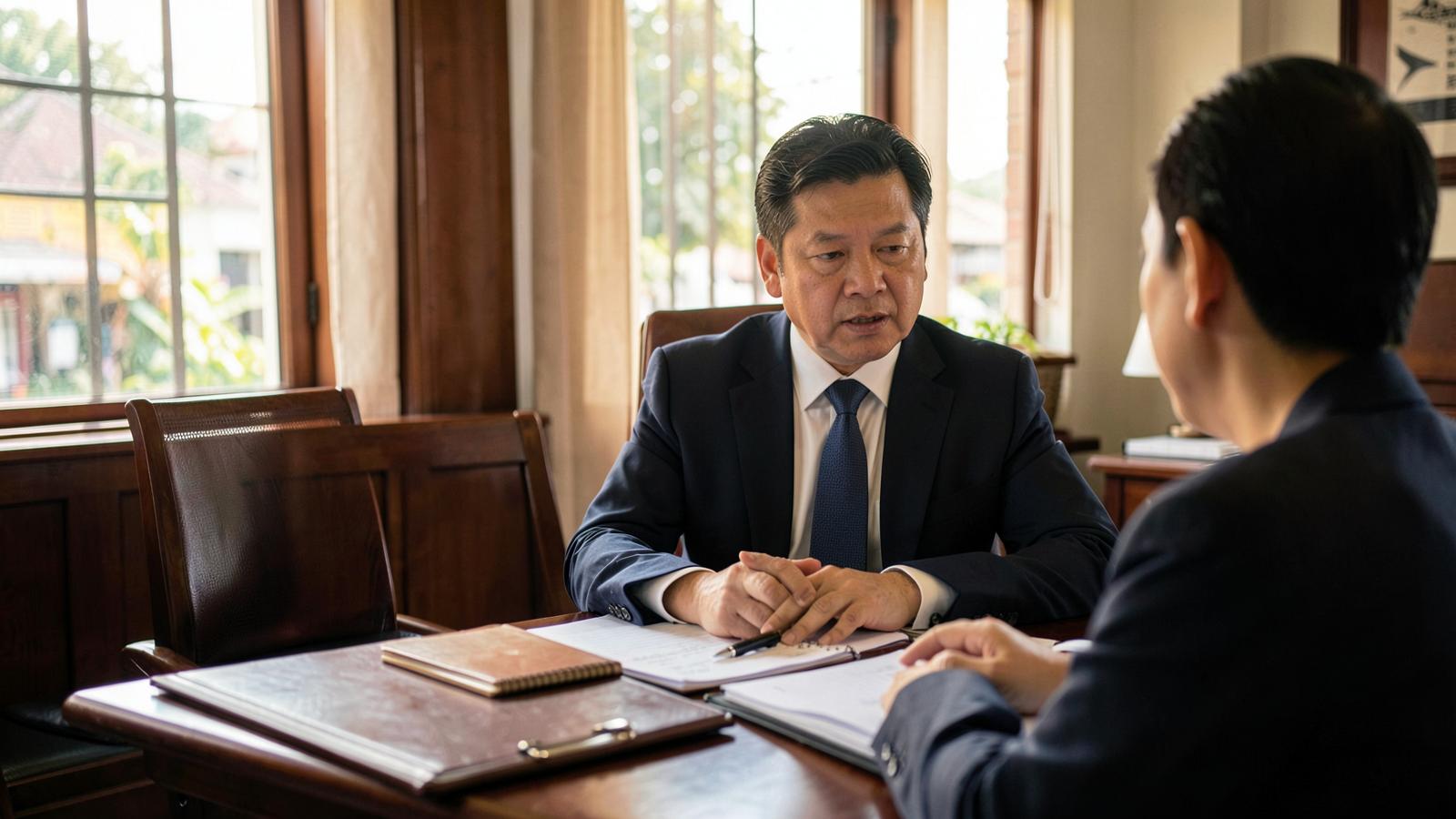
Estate planning in Thailand involves the recognised will formats, the rights of statutory heirs, registered assets such as land and condominium units, and the position of foreign nationals holding assets both in Thailand and abroad. We draft wills, advise on structuring, petition the court to appoint an estate administrator, and complete the transfer of estate assets.
Drafting and executing a will is quick once the asset list is complete; appointing an administrator and transferring assets runs through the court and takes months, depending on the docket and any heir objections.
Timeframes are indicative only and depend on the authority, the court calendar and the completeness of your documents.
Most estate litigation arises not from greed but from wording open to more than one reading — "my house to my child" without saying which house, or silence about assets acquired after the will was made. We therefore draft by reference to title deed numbers, unit numbers and account numbers, and include a clause covering later-acquired property.
For cross-border families we also check that the Thai will and any foreign will do not unintentionally revoke each other — a common problem when each contains a blanket revocation clause. Defining clearly which jurisdiction’s assets each will covers matters greatly.
Summarised for general understanding only. The application of each provision depends on the facts of your case.
Book VI: statutory heirs, shares, will formalities and appointment of an estate administrator.
Wills may take several statutory forms; using the wrong formality can void the will.
Foreign land-holding limits affect foreign heirs inheriting land.
These are constructed examples used to explain procedure. They are not client matters, and no outcome is implied or guaranteed.
Situation: Heirs hold the death certificate and house registration, but the bank requires a court-appointed administrator.
Usual approach: The usual route is petitioning the competent court for an administrator with an estate inventory and heirs’ consents, then presenting the order to banks and registries. (Hypothetical.)
Province pages set out the courts and authorities with jurisdiction locally, and answer the questions people in that area ask.
Yes, and a separate Thai will covering Thai assets is often advisable so that local administration proceeds quickly without conflicting with a will made elsewhere.
The estate passes to statutory heirs in the order the law prescribes, which may not match the deceased’s wishes and often takes longer because of disputes.
Land law imposes restrictions, generally requiring disposal within a set period. We explain the options available on the family’s actual facts.
Where assets require registered transfer — land or bank accounts — a court order appointing an administrator is usually required before institutions will act.
Tell us the facts and we will explain the options, the documents required and the realistic timeframe before you decide.