
Notary guides
12 practical guides on Thai notarial certification: passport copies, powers of attorney, affidavits, company and education documents, translations, Apostille and non-member countries.
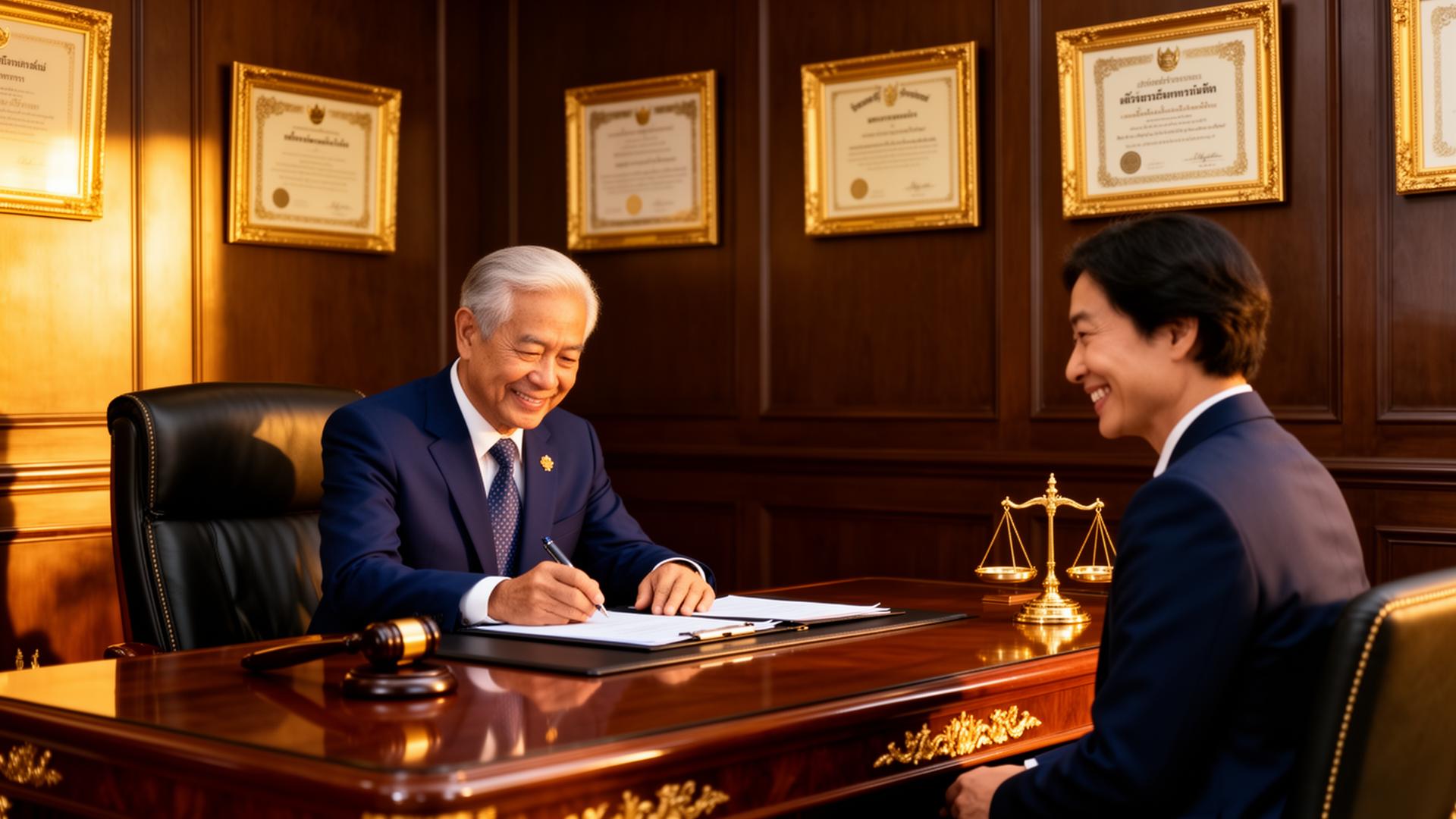
What a Thai Notarial Services Attorney can and cannot certify, how the role compares with civil-law notaries and US notaries public, and what comes next for documents used abroad.
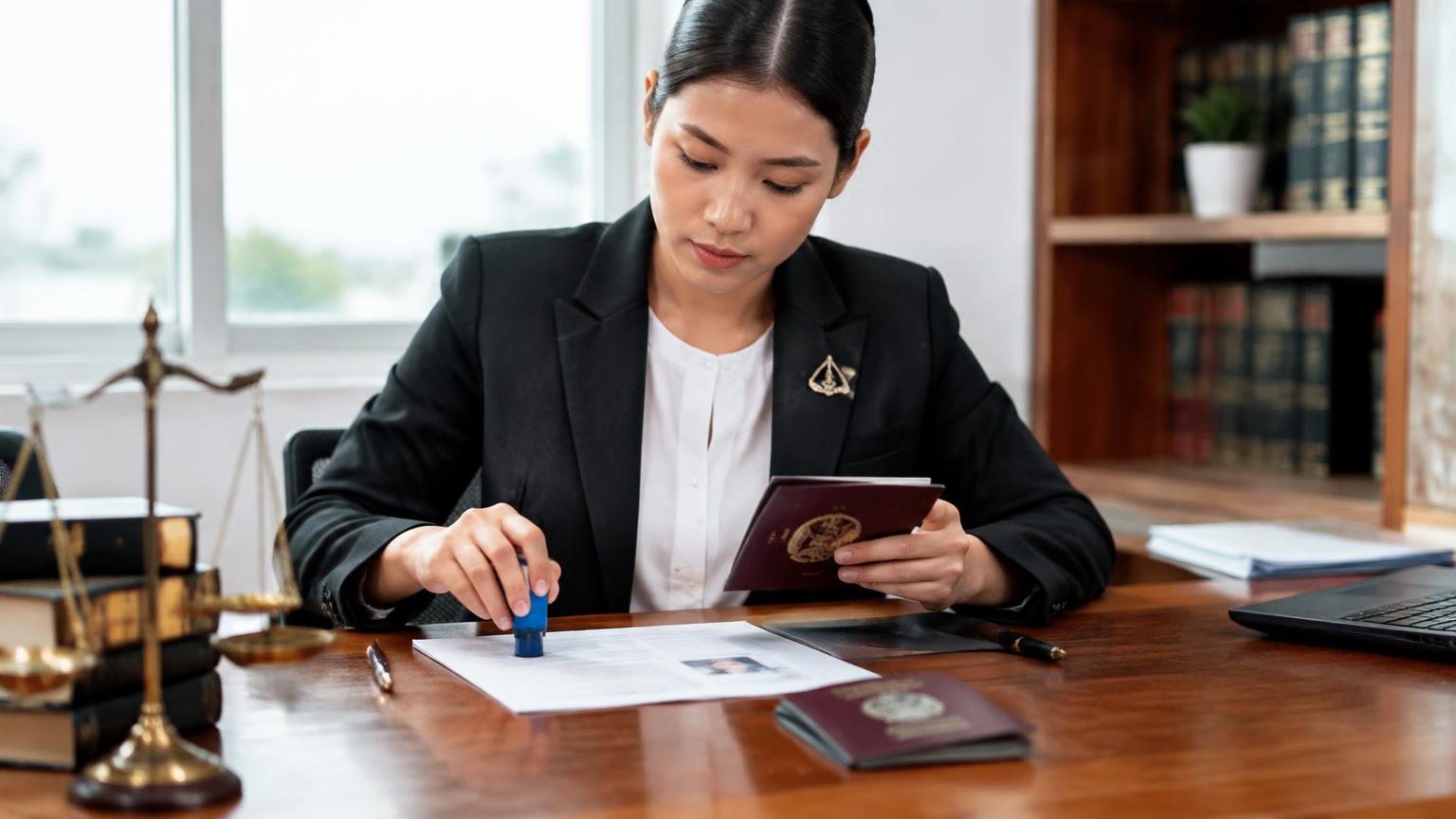
How a Thai Notarial Services Attorney certifies a passport copy, which pages to copy, wording foreign banks often require, and when Consular Affairs authentication is also needed.

How to execute a power of attorney in Thailand for use overseas: what to include, language, signature certification, and Department of Consular Affairs and embassy legalisation.
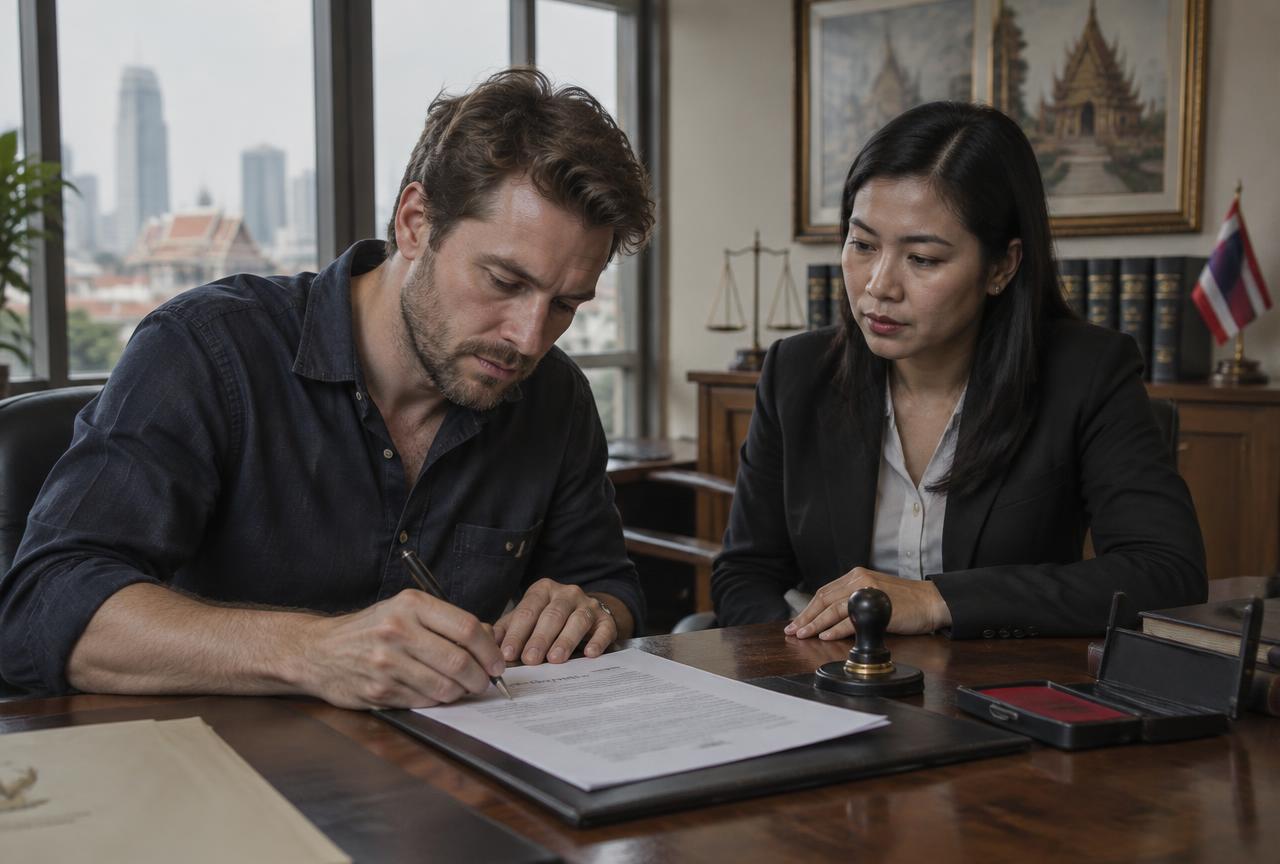
What an affidavit is, the two ways to make one in Thailand, the difference between signature certification and swearing at an embassy, and Consular Affairs authentication.
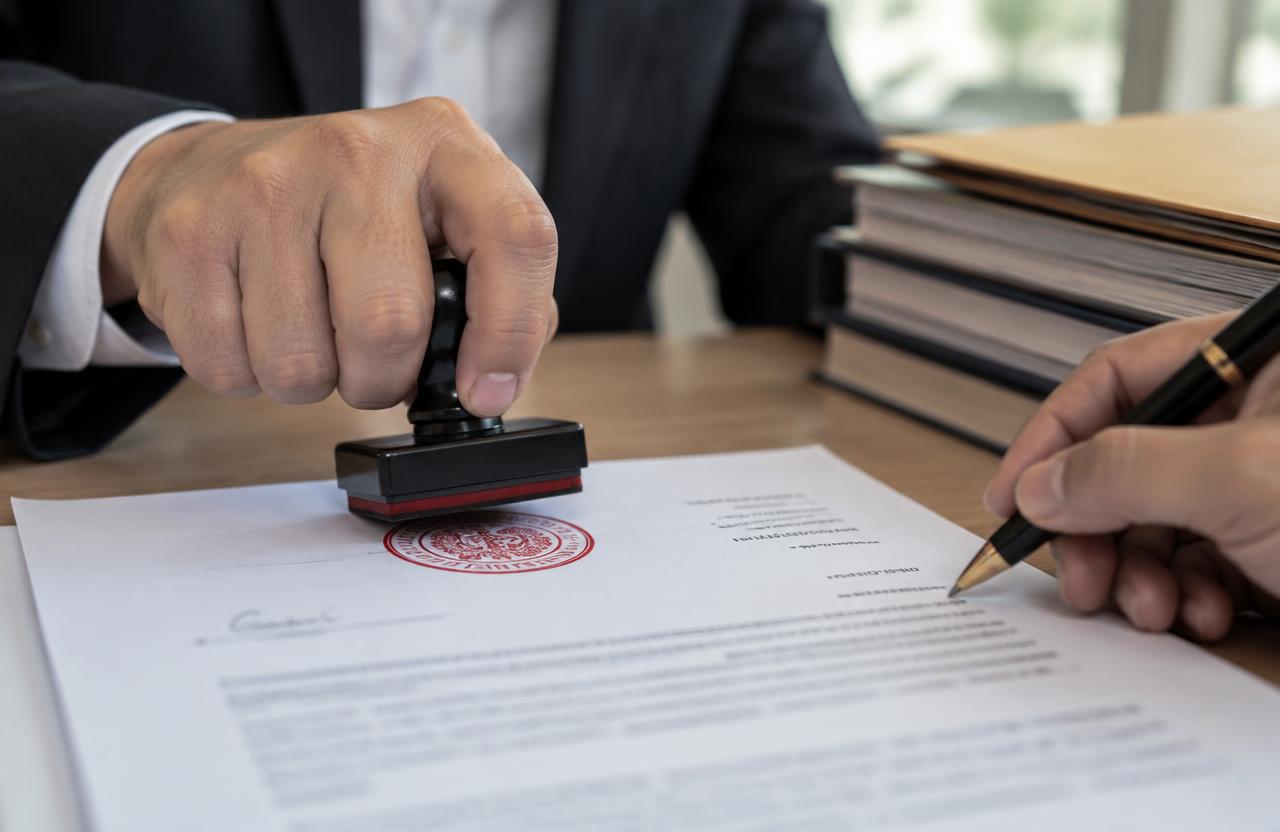
Preparing a DBD company certificate, memorandum and board resolutions for use overseas: translation, notarial attorney certification and Department of Consular Affairs authentication.
Thailand's Apostille Convention status from the HCCH, the entry-into-force date, how to authenticate documents until then, and how to plan Thai and foreign documents.

How to prepare Thai degree certificates, transcripts and institutional letters for use overseas: certified copies, translation and Department of Consular Affairs authentication.
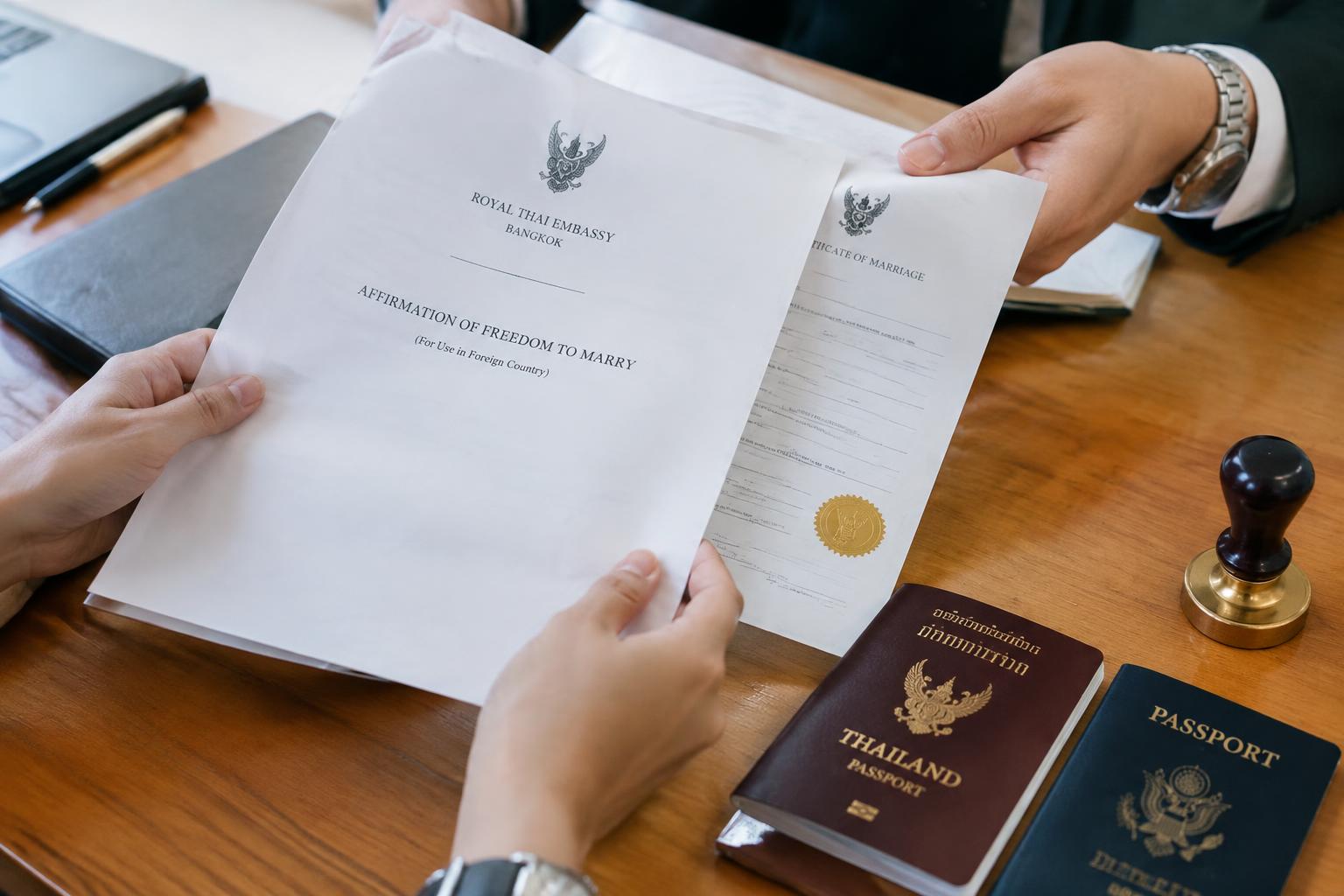
Thais obtain a marital status certificate from the district office; foreigners use an embassy affirmation. Translation, Consular Affairs certification and common mistakes.

The difference between translator-certified translations, translations with a notarised translator signature, and Consular Affairs-certified translations, and how to choose.

When a consent letter for a minor's travel is needed, what to include, signature certification by a notarial attorney, and the custody documents to attach.

Limits of video signature certification in Thailand, the legal status of electronic signatures, and practical options when the signer is abroad.
How to authenticate Thai documents for the United Arab Emirates and other non-members of the Apostille Convention: attorney, Consular Affairs, embassy and destination ministry.
Before you go to the Thai Department of Consular Affairs for legalisation: address, office hours, published fees, documents for company or proxy filings, and queue tips.
China has applied the Apostille Convention since 7 Nov 2023, but Thai documents still need Consular Affairs and Chinese Embassy legalisation until it takes effect for Thailand on 28 Feb 2027.
Which Middle East countries apply the Apostille Convention per the HCCH table, and how Thai documents are authenticated before and after 28 Feb 2027.

Get a police clearance from the Special Branch Police Clearance Service Center, then translate, legalise at Consular Affairs and the embassy, or use an apostille from 28 Feb 2027.
Which ASEAN countries apply the Apostille Convention per the HCCH table, and how Thai documents are authenticated before and after 28 Feb 2027.
Japan, South Korea and India are Apostille parties. How Thai documents are authenticated before and after 28 Feb 2027.
All five are Apostille parties and many visa authorities accept translations without legalisation. When legalisation is needed and the sequence before and after 28 Feb 2027.
The foreign partner gets a freedom-to-marry document from their embassy, translates it into Thai, legalises it at Consular Affairs, then the couple registers at a district office.
NAATI translations for Australia, sworn translators for some European countries, and notarised or Consular-Affairs-legalised translations — chosen by the recipient.
How to complete the Police Clearance Service Center power of attorney form, who signs it, and how applicants abroad prepare it with fingerprints.