Civil and Commercial Code
Book V: marriage, marital property, divorce, parental power and maintenance.

Northern Thailand — Chiang Rai
Marriage, divorce, custody, wills and estate administration
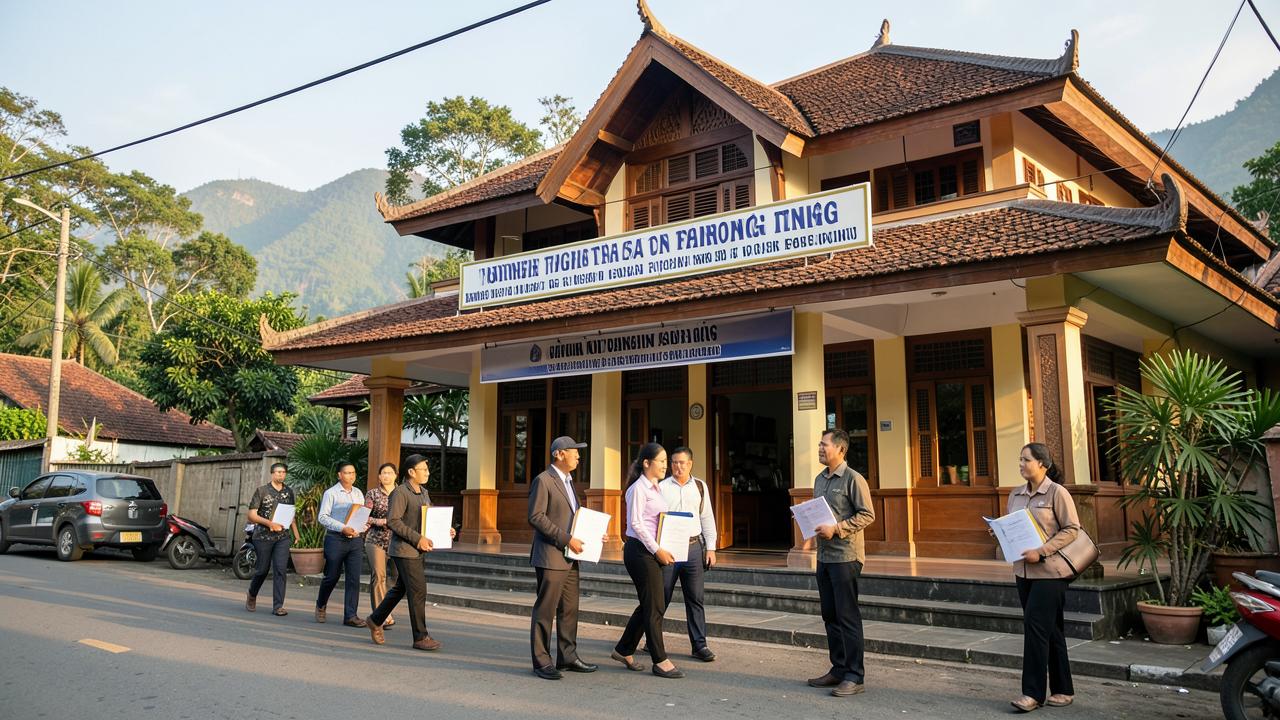
Chiang Rai borders both Myanmar and Lao PDR and combines border trade, highland agriculture, tourism and a growing foreign-resident community. Legal work includes cross-border trade and transport contracts, land disputes in use-restricted areas, and civil-status matters for people with incomplete registry records, which require careful historical document review.
Family and succession work handled with both legal and personal care: cross-border marriage registration, prenuptial agreements, divorce, custody, adoption, wills and appointment of estate administrators.
Jurisdiction and filing requirements should be confirmed for each matter, because practice and required attachments differ between offices.
| Court / authority | What it handles |
|---|---|
| Chiang Rai Provincial Court and Chiang Rai Municipal Court | Civil and criminal cases within the province |
| Chiang Rai Juvenile and Family Court | Family, juvenile and minors’ status matters |
| Labour Court Region 5 | Labour cases in the upper north |
| Chiang Rai Provincial Land Office and branch offices | Land registration and verification of title types |
| Chiang Rai Immigration Office | Foreign-national matters, extensions of stay and border checkpoint work |
| Chiang Rai Legal Execution Office | Enforcement of judgments in the province |
| District offices in Chiang Rai (civil registration) | Civil registration, marriage registration and correction of registry entries |
| Chiang Rai Provincial Commercial Office | Local company registration services |
Marriage registration completes in one appointment when documents are ready; contested divorce or succession cases take many months or longer.
Timeframes are indicative and depend on the court calendar and the authority handling the matter in Chiang Rai.
Summarised for general understanding only. The application of each provision depends on the facts of your case.
Book V: marriage, marital property, divorce, parental power and maintenance.
Sets family court jurisdiction, centred on the best interests of the child.
Governs registration of marriage, divorce and legitimation at the district office.
These are constructed examples used to explain procedure. They are not client matters, and no outcome is implied or guaranteed.
Situation: Both parties agree to divorce but need the outcome recognised abroad.
Usual approach: Plan documents from the start: child and property terms, registration of the divorce, and certification/translation for overseas use. (Hypothetical.)
Rules and fees change. Confirm current requirements with the responsible authority before filing.

Whichever the contract designates. Without a clause, it becomes a question of interpreting the parties’ intent — slow and uncertain. The fix is a clause naming the governing version and treating the other as a convenience translation.
Verify whether the title type is transferable, whether the plot lies in a use-restricted zone, how actual boundaries compare with the cadastral map, and whether access is a legal right or merely permitted by consent — these affect both building and resale.
Yes, through the registrar’s procedure, supported by historical evidence and sometimes witnesses. Where evidence is insufficient, a court order confirming the facts may be needed first, so all older documents should be gathered before starting.
Usually an affirmation of freedom to marry from their embassy, translated into Thai and legalised at the Department of Consular Affairs before filing at the district office.
Administrative divorce requires mutual consent and a Thai-registered marriage; otherwise the matter goes to the Juvenile and Family Court.
Tell us the facts and we will explain which authority applies, what documents are needed and the realistic timeframe.