Civil and Commercial Code
Book III governs company formation, directors’ powers, shareholder meetings and share transfers.

Northern Thailand — Chiang Mai
Incorporation, contracts, foreign business, BOI and compliance
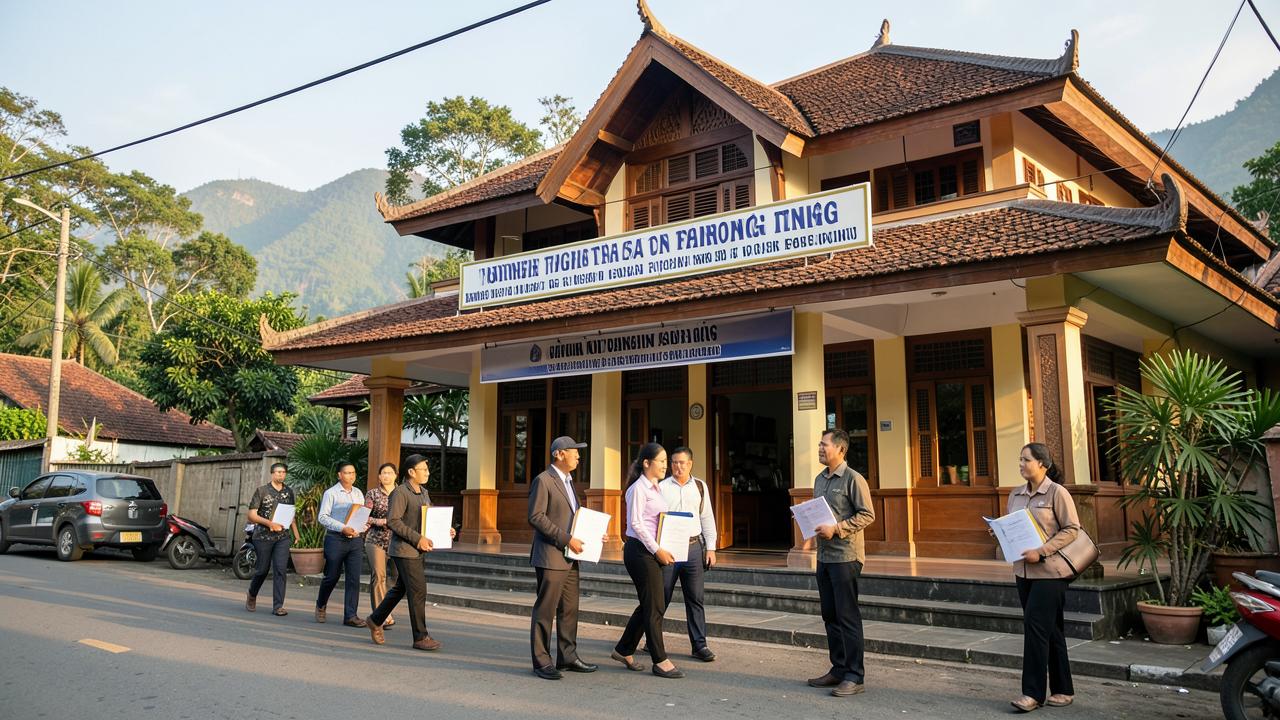
Chiang Mai is the administrative, academic and tourism hub of northern Thailand and home to a large long-stay foreign community. Legal work here spans local business and land matters as well as documents, visas, marriage and succession for long-term foreign residents. Because regional courts and agencies are located in the province, many matters can be completed locally without travelling to Bangkok.
Full-lifecycle corporate support: choosing the right vehicle, incorporation, drafting and reviewing contracts, foreign shareholding structures, business licensing, M&A and dissolution.
Jurisdiction and filing requirements should be confirmed for each matter, because practice and required attachments differ between offices.
| Court / authority | What it handles |
|---|---|
| Chiang Mai Provincial Court and Chiang Mai Municipal Court | Civil and criminal cases within Chiang Mai province |
| Chiang Mai Juvenile and Family Court | Divorce, custody and family matters |
| Labour Court Region 5 | Labour cases in the upper northern region |
| Chiang Mai Administrative Court | Challenges to state decisions in the northern region |
| Chiang Mai Legal Execution Office | Seizure, garnishment and auction of local assets |
| Chiang Mai Provincial Land Office and branch offices | Registration of land and condominium transactions |
| Chiang Mai Immigration Office | 90-day reporting, extensions of stay and residence notification |
| Chiang Mai Provincial Commercial Office | Local business registration services |
Incorporation with complete documents usually takes a few business days; special licences and BOI approvals take considerably longer.
Timeframes are indicative and depend on the court calendar and the authority handling the matter in Chiang Mai.
Summarised for general understanding only. The application of each provision depends on the facts of your case.
Book III governs company formation, directors’ powers, shareholder meetings and share transfers.
Restricts certain businesses for foreigners and sets out the licensing route.
The basis for BOI tax and non-tax incentives.
Sets corporate tax duties, withholding tax and VAT obligations.
These are constructed examples used to explain procedure. They are not client matters, and no outcome is implied or guaranteed.
Situation: A foreign investor wants more than 49% of a service business.
Usual approach: Check whether the activity falls in the FBA schedules, then compare a foreign business licence, BOI promotion, or restructuring the activity outside the restriction. (Hypothetical.)
Situation: A director resigned but the company never filed the change.
Usual approach: Keep dated proof of the resignation and push the registration through — stale register data can be used to assert liability later.

Most matters can be handled locally: Chiang Mai has provincial, municipal, family, regional labour and administrative courts as well as a legal execution office. Exceptions are matters the law assigns to central bodies, such as MFA document legalisation.
Yes. The document must follow the correct Thai statutory form, and if it will also be used abroad, translation and certification should be planned from the outset to avoid redoing it.
Check the title type, legal access, zoning and use restrictions, and any registered encumbrances before paying a deposit — these are hard to fix after signing.
Activities listed under the Foreign Business Act generally require majority Thai ownership unless a licence, treaty right or BOI promotion applies.
Not universally required by law, but some licences and banking practices call for one.
English contracts are binding, but a certified Thai translation is needed for Thai courts or authorities.
Tell us the facts and we will explain which authority applies, what documents are needed and the realistic timeframe.