Land Code
Governs title documents, registration of rights and foreign land-holding restrictions.

Northeastern Thailand — Nakhon Ratchasima
Title due diligence, sale, lease and transfer at the Land Office
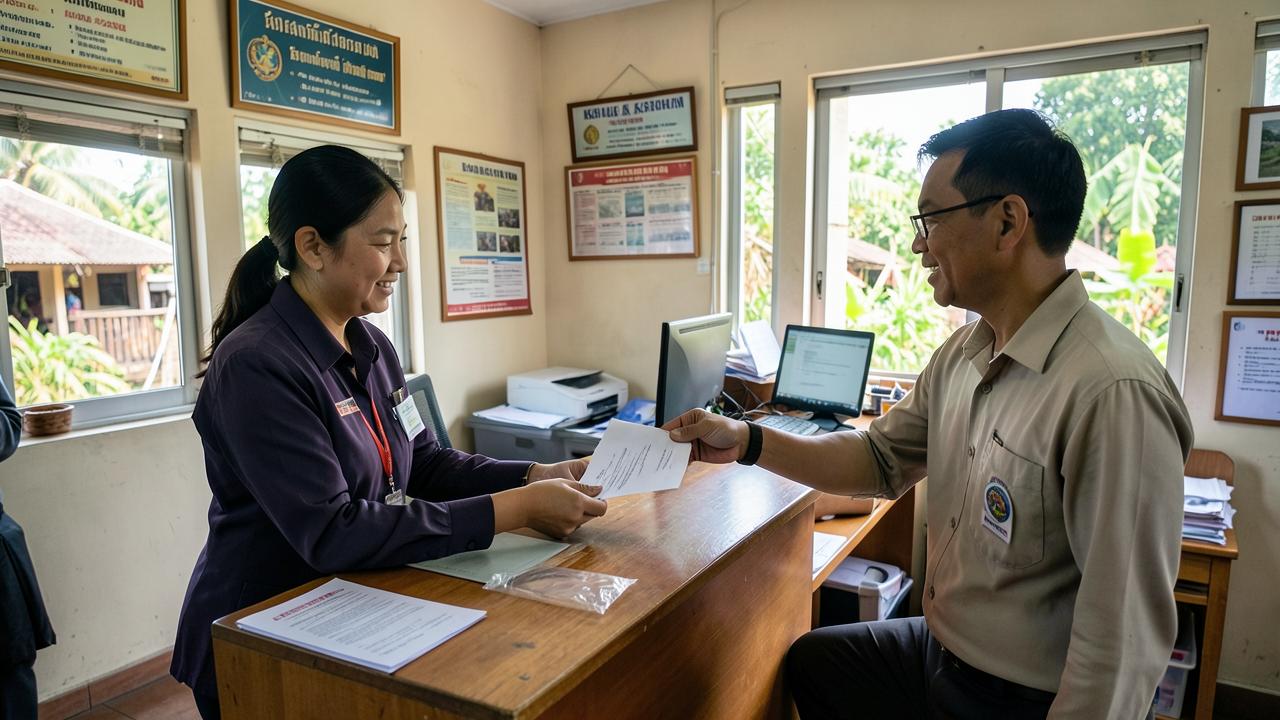
Nakhon Ratchasima is the largest northeastern province by area and number of districts, spanning agriculture, industry along the Mittraphap corridor and commerce in the city. Legal work commonly involves land and possession disputes, crop-sale and agricultural credit contracts, factory labour cases, and corporate work for family businesses as they expand.
End-to-end property legal work: title and encumbrance checks, drafting sale or lease agreements, attending the Land Office for transfer, and lawfully structuring foreign ownership.
Jurisdiction and filing requirements should be confirmed for each matter, because practice and required attachments differ between offices.
| Court / authority | What it handles |
|---|---|
| Nakhon Ratchasima Provincial Court and Municipal Court | Civil and criminal cases within the province |
| Nakhon Ratchasima Juvenile and Family Court | Family and juvenile matters |
| Labour Court Region 3 | Labour cases in the lower northeast |
| Nakhon Ratchasima Administrative Court | Challenges to state decisions in the region |
| Nakhon Ratchasima Provincial Land Office and branch offices | Land registration, survey and subdivision of titles |
| Nakhon Ratchasima Legal Execution Office | Seizure, garnishment and auction of assets |
| Nakhon Ratchasima Provincial Commercial Office | Local company registration services |
| Nakhon Ratchasima Labour Protection and Welfare Office | Receives complaints and mediates labour disputes |
Title due diligence usually takes a few business days; the Land Office transfer is generally completed in a single day when documents are complete.
Timeframes are indicative and depend on the court calendar and the authority handling the matter in Nakhon Ratchasima.
Summarised for general understanding only. The application of each provision depends on the facts of your case.
Governs title documents, registration of rights and foreign land-holding restrictions.
Covers sale, lease, hire-purchase, servitude, usufruct and mortgage.
Sets the foreign ownership quota in condominiums and the duties of the juristic person.
These are constructed examples used to explain procedure. They are not client matters, and no outcome is implied or guaranteed.
Situation: A buyer finds access crosses a neighbouring plot with no registered servitude.
Usual approach: Check the cadastral map and land office records before any deposit, and make registering a servitude a condition precedent. (Hypothetical.)

It depends on the title type and the nature of possession. Some documents are restricted or non-transferable, and adverse possession applies only to land under a full chanote. Records should be checked at the branch office where the land lies before deciding between applying for title, litigating or negotiating.
It turns on the ground for dismissal and the statutory notice period under labour protection law, the severance due by each employee’s length of service, and whether the dismissal results from restructuring or machinery changes, which carry separate notification rules and special severance. Incomplete paperwork invites litigation even where the ground itself is valid.
Start with an inventory of assets actually used by the business and whose name each is in, then choose between transferring them into the company or documenting a clear lease or use agreement, with shareholder and director resolutions recorded — undocumented transfers carry tax consequences and can be challenged later.
Yes, within the building’s foreign quota and with the required evidence of inbound foreign currency.
You may appoint us by power of attorney on the Land Department form, properly certified — and legalised if executed abroad.
Tell us the facts and we will explain which authority applies, what documents are needed and the realistic timeframe.